
Urgent Safety Alert: Major Infant Formula Recall Due to Toxic Contamination
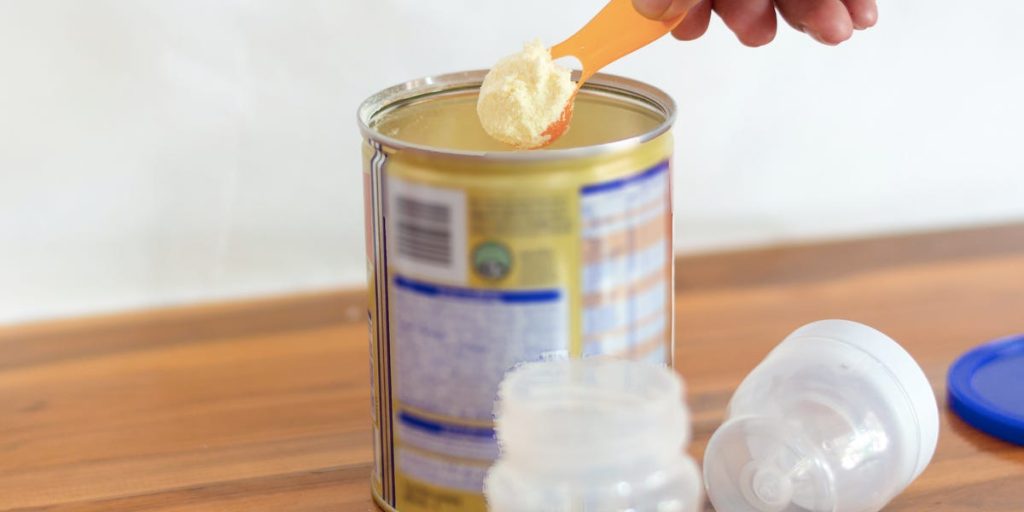
This is exactly the kind of news that keeps new parents awake at night – and rightfully so. The a2 Milk Company has issued an immediate voluntary recall of three batches of their Platinum Premium USA infant formula designed for babies up to 12 months old. What makes this particularly concerning is the presence of cereulide, a dangerous heat-resistant toxin that can wreak havoc on an infant’s delicate digestive system.
I think what’s most alarming here is how widespread this distribution was. The contaminated formula reached consumers through multiple channels – the company’s direct website sales, major retail locations like Meijer stores, and online marketplaces. This multi-channel distribution means parents across the country could potentially have these dangerous products sitting in their pantries right now.
The recall affects approximately 16,000 units of formula packaged in 31.7-ounce containers. Parents need to immediately check their formula supplies for these specific batch numbers and expiration dates:
- Batch 2210269454 with expiration date July 15, 2026
- Batch 2210324609 with expiration date January 21, 2027
- Batch 2210321712 with expiration date January 15, 2027
Here’s what really troubles me about cereulide contamination: this isn’t your typical foodborne illness. The toxin can trigger severe nausea and vomiting within just 30 minutes to six hours after consumption. For adults, these symptoms might be manageable and typically resolve within 24 hours. But for infants? The stakes are dramatically higher.
Babies who consume contaminated formula face serious risks of dehydration, which can quickly become life-threatening. Their small bodies simply cannot handle the fluid loss that comes with persistent vomiting. This is why any parent whose child shows symptoms after consuming this formula needs to seek immediate medical attention – not tomorrow, not in a few hours, but right now.
What I find particularly frustrating is that this contamination was only discovered through additional testing prompted by new regulatory guidance from New Zealand’s food safety authorities. It makes you wonder: how many other products are slipping through initial safety screenings? The fact that no confirmed illnesses have been reported yet doesn’t diminish the severity of this situation – it just means we caught it before tragedy struck.
This recall is most relevant for parents of infants under 12 months who have purchased this specific formula in recent months. Given the extended shelf life of these products, families might have stocked up, thinking they were being prepared and responsible. Now that preparation has become a potential hazard.
For parents who discover they have the recalled formula, the action steps are clear: stop using it immediately, dispose of it safely, or return it to the point of purchase for a full refund. Don’t take any chances by thinking a small amount might be okay – cereulide contamination isn’t something you can dilute or cook away.
This incident underscores a broader issue I’ve observed in infant nutrition safety: our regulatory systems often react to problems rather than preventing them. While I appreciate that the company acted quickly with a voluntary recall, the fact remains that thousands of potentially dangerous products reached consumers before the contamination was detected.
Parents dealing with this recall shouldn’t blame themselves – they made purchasing decisions based on available information and trusted that safety protocols were in place. The responsibility lies with manufacturers and regulatory bodies to ensure these products never reach the market in the first place.