
The Perfect Thai Mango Sticky Rice: A Dessert Worth Mastering
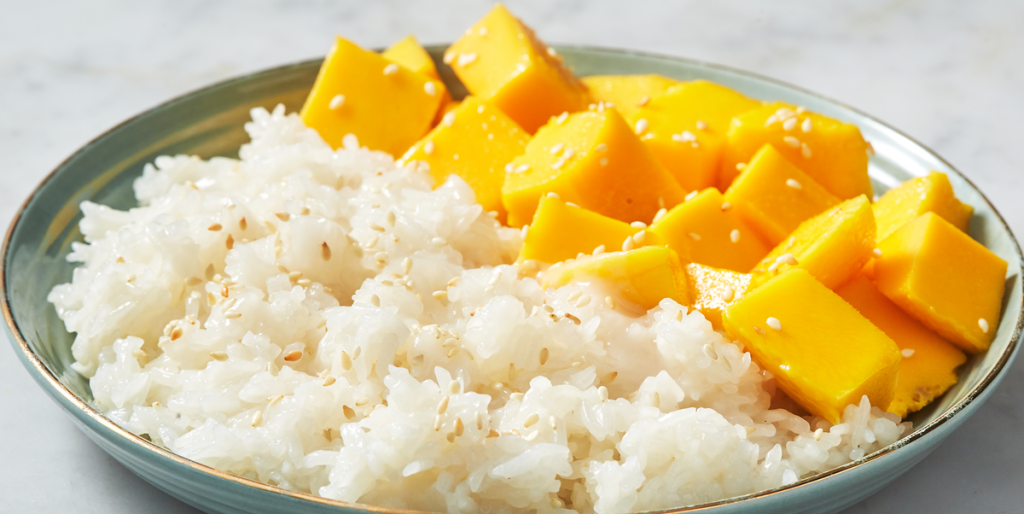
Few desserts capture the essence of Thai cuisine quite like mango sticky rice, and I believe it’s one of those dishes that perfectly demonstrates why Southeast Asian sweets deserve more attention in Western kitchens. This isn’t just another trendy dessert – it’s a masterclass in balancing textures and flavors that has been perfected over generations.
Why This Dessert Matters
What makes this dish so compelling is its deceptive simplicity. At first glance, you might think it’s just rice with fruit, but that perspective would be doing it a tremendous disservice. The magic lies in the interplay between the creamy coconut-infused glutinous rice and the sweet, slightly tart mango. It’s a combination that shouldn’t work as well as it does, yet it creates something genuinely transcendent.
I think this dessert is particularly relevant for home cooks who want to expand their repertoire beyond European-style sweets. If you’re someone who appreciates dishes where technique matters more than flashy presentation, this is absolutely for you. However, if you’re looking for something you can whip up in fifteen minutes, you might want to look elsewhere – the rice requires proper soaking and steaming time.
Who Should Try Making This
This recipe benefits patient cooks who enjoy process-oriented cooking. The glutinous rice needs to be soaked overnight, then carefully steamed and mixed with coconut milk at just the right temperature. It’s meditative work that rewards attention to detail.
Food enthusiasts interested in authentic Asian flavors will find this particularly rewarding. Unlike many Western adaptations of Asian desserts, traditional mango sticky rice doesn’t compromise on technique for convenience. The result is something that actually tastes like what you’d find in a good Thai restaurant.
The Technical Challenge
What I find most interesting about this dessert is how it teaches fundamental techniques that apply to other cuisines. Learning to properly steam glutinous rice and create the coconut sauce gives you skills that transfer to other dishes. The timing required to coordinate the rice preparation with perfectly ripe mangoes also develops your planning abilities as a cook.
That said, this isn’t for everyone. If you prefer desserts where precision isn’t critical, or if you don’t have access to proper glutinous rice and good coconut milk, you’ll likely end up disappointed. The dish depends entirely on quality ingredients and proper technique.
Getting the Details Right
The coconut sauce deserves special attention because it’s where many home cooks stumble. Too hot, and it will make the rice gummy. Too cool, and it won’t absorb properly. This is where patience becomes your greatest asset – rushing this step will compromise the entire dish.
I believe the mango selection is equally crucial. Underripe fruit will throw off the entire balance, while overripe mangoes become mushy and overly sweet. You want fruit that yields slightly to pressure but still holds its shape when sliced.
For those willing to invest the time and attention this dessert demands, the payoff is substantial. It’s a dish that showcases how traditional techniques create flavors and textures that simply can’t be rushed or simplified. In my opinion, that makes it exactly the kind of recipe worth mastering.