
South African Central Bank Chief Credits Rand’s Strength to Global Dollar Skepticism
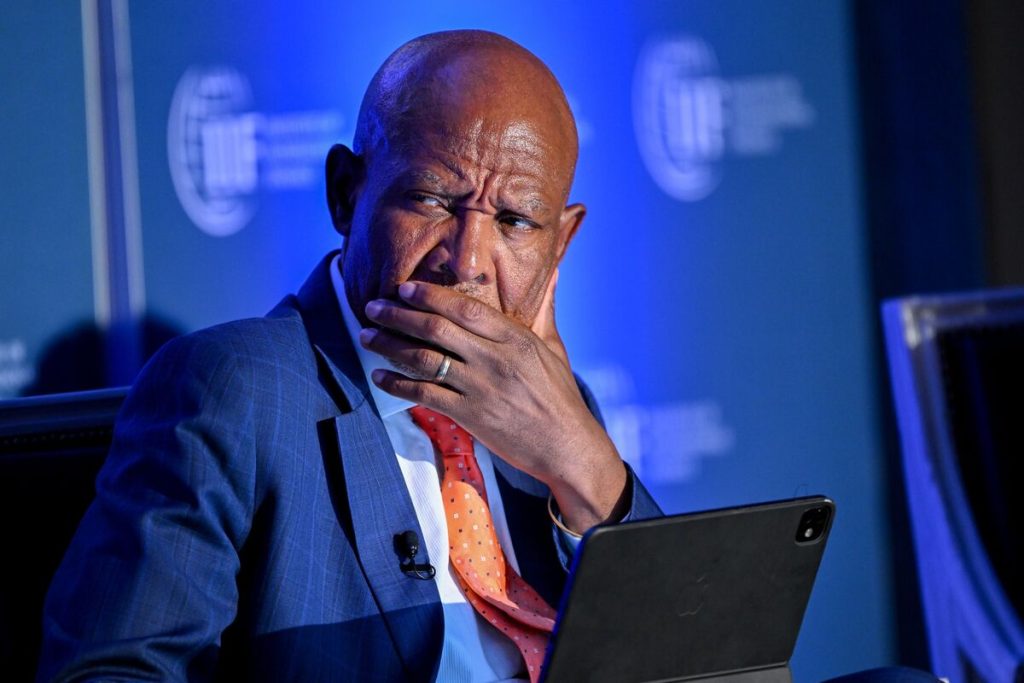
The South African Reserve Bank’s governor has made a compelling observation about recent currency market dynamics that deserves serious attention from investors and policymakers alike. Lesetja Kganyago’s assessment of the rand’s unexpected durability during Middle Eastern tensions reveals something profound about shifting global financial sentiment.
What strikes me most about Kganyago’s analysis is his connection between emerging market currency resilience and growing wariness toward American financial assets. This isn’t just about South Africa – it’s a canary in the coal mine for a fundamental shift in how international investors view risk and value.
The rand’s performance during the Iran conflict is particularly noteworthy because emerging market currencies typically suffer during geopolitical crises. Historically, investors flee to the safety of the US dollar and Treasury bonds when tensions escalate. That this pattern appears to be breaking down suggests we’re witnessing something significant.
I believe this development is most relevant for portfolio managers and institutional investors who have long relied on traditional safe-haven assets. They need to reconsider their assumptions about flight-to-quality patterns. For individual retail investors, however, this shift may be less immediately impactful, as they typically don’t have the same exposure to currency fluctuations or sophisticated hedging strategies.
The governor’s observation about broader skepticism toward US assets resonates with what I see as growing concerns about American fiscal policy and monetary management. When central bankers from emerging economies start questioning the dollar’s reliability as a global anchor, it signals a potentially seismic shift in international finance.
Currency traders and emerging market specialists should pay particularly close attention to these trends. The traditional playbook of shorting developing nation currencies during crises may no longer be as reliable. Conversely, those heavily invested in dollar-denominated assets might want to consider diversification strategies.
What matters most here isn’t just the rand’s performance, but what it represents about changing global financial dynamics. The fact that smaller economies’ currencies are showing resilience suggests investors are becoming more discriminating about where they park their money during uncertain times. This could herald a new era of currency relationships that challenges decades of established patterns.