
Revolutionary Museum Exhibition Challenges Fashion’s Place in Contemporary Art
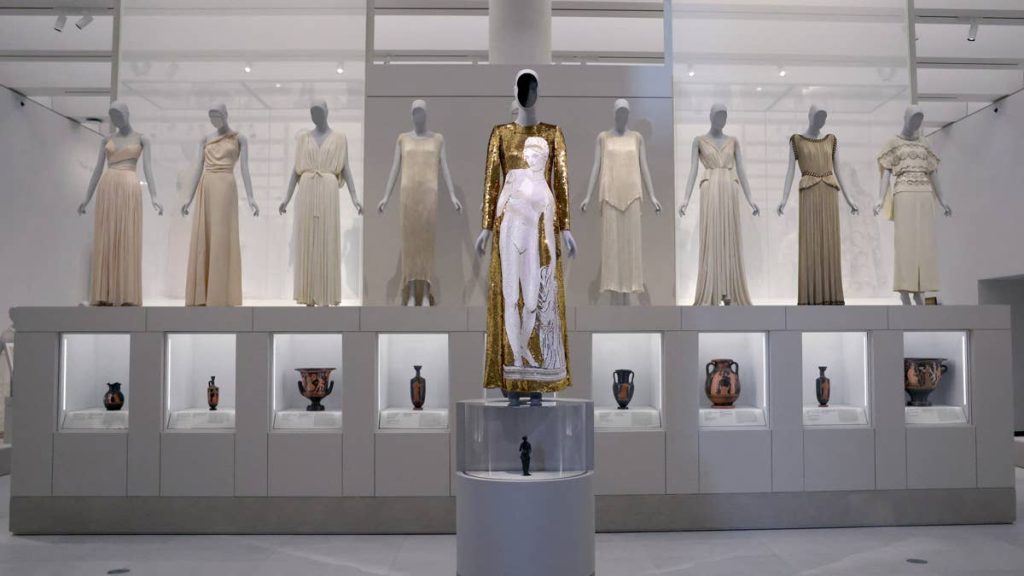
A groundbreaking new exhibition at a major metropolitan museum is making waves by boldly asserting fashion’s rightful place within the fine arts canon. The show’s chief curator delivered a powerful statement during the media preview, declaring that for too long, fashion has been relegated to the sidelines of artistic discourse, dismissed as merely decorative or supplementary. This exhibition fundamentally rejects that marginalization.
I find this positioning absolutely crucial for our cultural moment. The fashion industry has spent decades fighting for legitimacy in academic and artistic circles, and exhibitions like this represent a watershed moment in that struggle. What makes this particularly compelling is how the curators have chosen to frame their argument – not through traditional aesthetic analysis, but through the lens of the human body itself.
The exhibition spans nearly 12,000 square feet across two primary sections that explore how clothing shapes our understanding of identity, history, and human experience. The first section, “Diversity in Bodily Being,” is subdivided into provocative categories including the reclaimed body, disabled body, pregnant body, and corpulent body – among others. This approach is both brave and necessary, though I suspect it will make some visitors uncomfortable.
What strikes me most about this curatorial choice is its timing. At a moment when the fashion industry is actually retreating from body positivity initiatives, this exhibition doubles down on representation. The curators have made the bold decision to populate their displays with mannequins representing pregnant figures, disabled bodies, and plus-size forms. This isn’t just progressive – it’s almost radical in today’s climate.
The second major section, “Bodily Being in Its Universality,” takes a more anatomical approach, featuring subsections like “Vital Body” and “Anatomical Body.” Here, garments become vehicles for exploring human biology – veins, vessels, skeletal structures, and the aging process. One standout piece features intricate hand-stitched embroidery depicting biological structures, while another confronts viewers with the reality of aging through provocatively titled pieces.
This exhibition matters most for fashion students, museum professionals, and anyone interested in how cultural institutions shape public discourse about bodies and identity. For casual fashion enthusiasts, however, the academic framework might feel overwhelming or unnecessarily political. The show demands intellectual engagement rather than offering simple aesthetic pleasure.
The curatorial statement that “clothing is never neutral” resonates deeply with me. Every garment choice communicates something about the wearer’s identity, aspirations, and place in society. By organizing the exhibition around different body types and experiences, the curators force us to confront how fashion has historically excluded or marginalized certain forms of embodiment.
What I find less convincing is the exhibition’s ambitious scope. Trying to encompass everything from classical Greek-inspired draping to contemporary tattoo-printed garments risks diluting the central message. The show might have been more powerful with a tighter focus on either historical exclusion or contemporary inclusion, rather than attempting both simultaneously.
The exhibition’s impact will likely be felt most strongly in academic circles and among fashion professionals who have long advocated for their medium’s artistic recognition. For the general public, the show offers an opportunity to reconsider their relationship with clothing and bodies, though the conceptual framework may alienate visitors seeking a more traditional fashion display.
Running through early 2027, this exhibition represents a significant investment in fashion’s cultural legitimacy. Whether it succeeds in permanently elevating fashion’s status within art history remains to be seen, but it certainly marks an important moment in ongoing conversations about representation, identity, and artistic value in contemporary culture.