
How Contemporary Art Transformed Japan’s Forgotten Islands Into Cultural Destinations
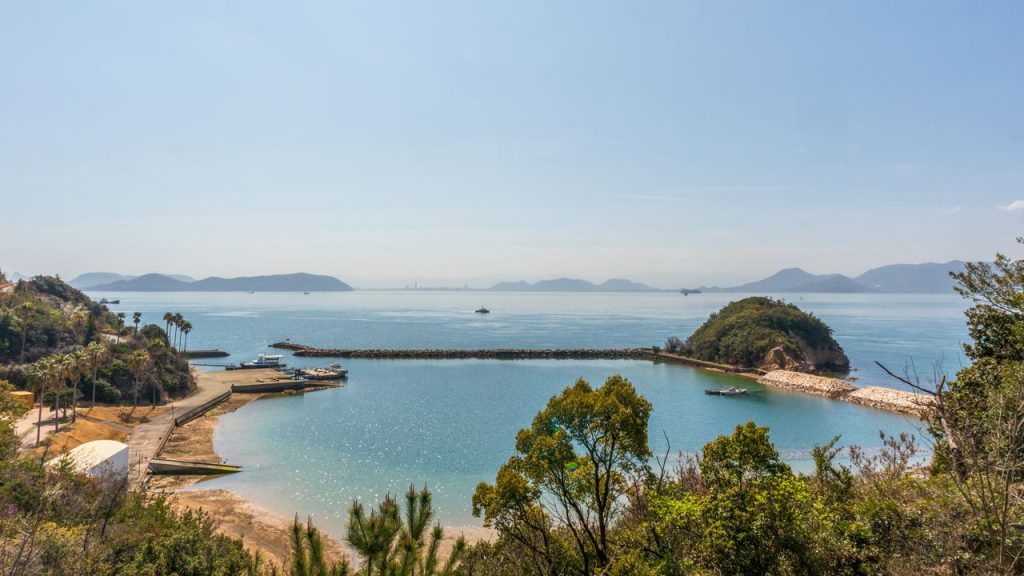
The sight of a multimillion-dollar sculpture being swept into stormy seas might sound like a cultural disaster, but for the residents of Japan’s Setouchi archipelago, it was just another chapter in their remarkable transformation story. When Typhoon Lupit claimed one of Yayoi Kusama’s iconic polka-dotted pumpkin sculptures from Naoshima island in 2021, the artwork was eventually recovered and replaced—a testament to how deeply art has become woven into the fabric of this once-declining region.
What strikes me most about the Setouchi transformation is how it challenges conventional wisdom about rural development. Instead of pursuing industrial growth or mass tourism, this collection of islands scattered across Japan’s Seto Inland Sea chose contemporary art as their salvation—and it worked spectacularly. This approach won’t work everywhere, but for communities with the right vision and resources, it offers a compelling alternative to traditional economic development models.
From Industrial Decline to Artistic Renaissance
The story began in the late 1980s when businessman Soichiro Fukutake launched what would become the Benesse Art Site network. His initial vision was modest: create a small museum on Naoshima to house works by artists like Jean-Michel Basquiat and Robert Rauschenberg for local appreciation. Three decades later, the project has expanded across multiple islands, featuring nine museums designed by renowned architects including Pritzker Prize winner Tadao Ando.
I find this evolution fascinating because it demonstrates how patient, long-term investment can completely reshape a region’s identity. The latest addition, the Naoshima New Museum of Art, opened in 2023 and focuses exclusively on Asian artists—a strategic decision that positions the region as a bridge between Eastern and Western contemporary art traditions.
The numbers tell the story: Naoshima now welcomes approximately 500,000 visitors annually, transforming from a sleepy fishing village facing population decline into an international cultural destination. A Mandarin Oriental resort is scheduled to open in 2027, signaling the region’s arrival on the luxury tourism map.
Who Benefits from This Cultural Strategy
This model works exceptionally well for certain types of communities and visitors, but it’s not universally applicable. Art-focused travelers, cultural institutions, and luxury tourists clearly benefit from the sophisticated offerings. The region attracts visitors who appreciate immersive, site-specific installations like James Turrell’s light works or Do Ho Suh’s fabric architecture.
Local residents have experienced mixed results, in my view. While the economic benefits are undeniable—jobs, infrastructure improvements, and international recognition—the transformation has fundamentally altered the character of these communities. Some locals embrace their role as custodians of world-class art, while others might feel displaced by the influx of international visitors and rising costs.
For travelers seeking authentic Japanese experiences, the Setouchi islands offer something unique but potentially problematic. The art installations are undeniably impressive, but they risk overshadowing traditional local culture. It’s telling that one expatriate resident mentioned his favorite gallery displays local tourism history rather than famous artworks—suggesting a hunger for authentic regional narrative alongside the international art scene.
Beyond the Famous Islands
What I find most compelling about the Setouchi model is how it’s spreading beyond the main art hubs. Teshima island, once devastated by toxic waste dumping in the 1970s and 1980s, has used art as part of its environmental rehabilitation strategy. The Teshima Art Museum, designed as a minimalist concrete shell resembling a water droplet, creates powerful emotional experiences that connect visitors to the island’s natural environment.
Lesser-known destinations like Momoshima island are experimenting with similar approaches on a smaller scale. With only 400 residents, Momoshima has converted abandoned buildings—a former high school, empty homes, and a defunct movie theater—into art spaces. This grassroots approach feels more sustainable and community-focused than the large-scale developments on Naoshima.
The Broader Implications
The Setouchi transformation raises important questions about cultural tourism and rural development. While the economic success is impressive, I worry about the sustainability of this model. The region now depends heavily on international tourism, making it vulnerable to global disruptions like pandemics or economic downturns.
More concerning is the potential for cultural gentrification. As luxury hotels and high-end restaurants proliferate, will these islands remain accessible to diverse visitors, or will they become exclusive playgrounds for wealthy art collectors and luxury travelers?
That said, the project’s emphasis on site-specific art and architectural integration shows remarkable sensitivity to place. Unlike generic cultural attractions that could exist anywhere, these installations respond directly to their island settings, creating unique experiences that can’t be replicated elsewhere.
The Setouchi islands demonstrate that thoughtful cultural investment can revitalize declining regions, but success requires extraordinary vision, substantial resources, and decades of patient development. For communities considering similar strategies, the key lessons are clear: start small, think long-term, and ensure local voices remain central to the transformation process. The question isn’t whether art can save rural communities—it’s whether communities can maintain their authentic character while embracing artistic transformation.