
Essential Hotel Room Checks That Could Save Your Entire Stay
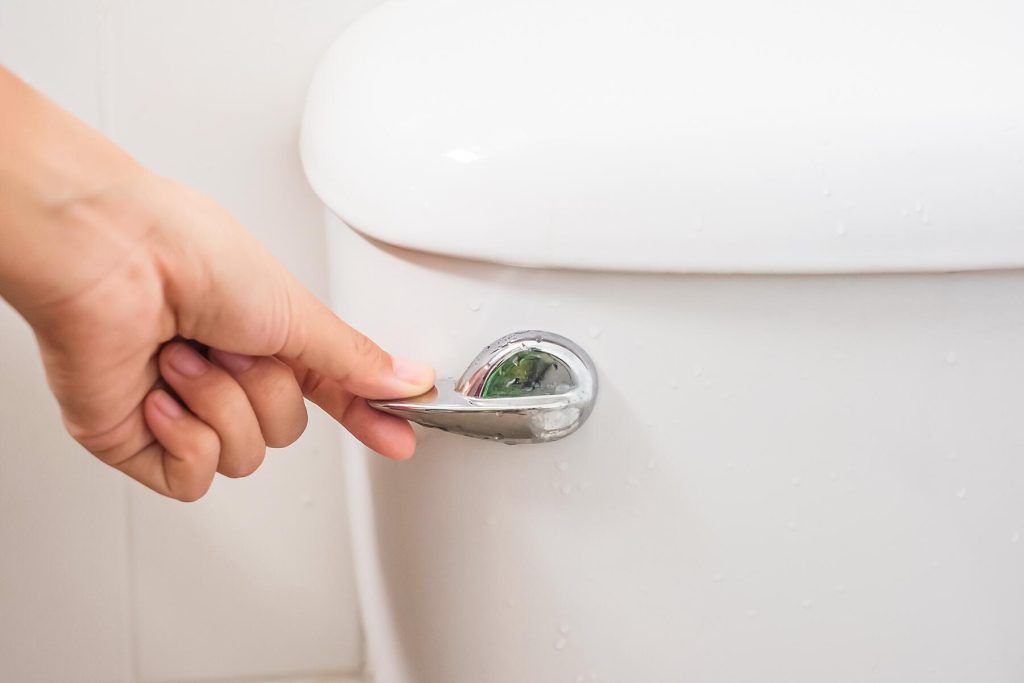
Picture this scenario: you’ve just completed a grueling day of travel, finally reached your hotel destination, and settled into what you hope will be a restful evening. You unpack your belongings, slip into comfortable clothes, and pour yourself a well-deserved drink. Then nature calls, and you discover the crushing reality—your toilet refuses to flush. What follows is an evening of maintenance visits, awkward conversations with hotel staff, or worse, the hassle of relocating to another room entirely.
This exact situation highlights why I believe every traveler should implement a systematic room inspection the moment they step through that hotel door. While most travel advice focuses on security concerns or pest issues, mechanical failures present equally frustrating challenges that can derail your entire stay. The key difference is that these problems are completely preventable with a few minutes of proactive checking.
Here’s what I think separates smart travelers from those who end up with ruined vacations: they understand that prevention beats reaction every single time. This approach isn’t for everyone—if you’re the type who prefers to deal with problems as they arise, you might find this level of preparation excessive. However, for business travelers, families with children, or anyone on a tight schedule, these checks are absolutely essential.
Test Your Climate Control System Immediately
Room temperature might seem perfect when you first enter, but I’ve learned that “comfortable” can quickly transform into “unbearable” once you’re trying to sleep. The smart move is testing both heating and cooling functions regardless of the initial temperature. Listen for the system to engage and physically check the vents to ensure they’re producing conditioned air, not just moving stale air around.
Some hotels deliberately restrict guest control over temperature settings or disable certain functions during off-seasons. This matters most for travelers who are particular about their sleeping environment—if you’re someone who can sleep anywhere, this might not be worth your time. But for those who need specific conditions to rest well, discovering these limitations early allows time to request additional blankets, fans, or even a room change.
Verify All Electrical Outlets and Charging Ports
Nothing ruins a productive morning like discovering your devices didn’t charge overnight because you plugged into a dead outlet. I recommend testing every outlet you plan to use, including USB ports, which are increasingly common but surprisingly unreliable in many hotels. The visual confirmation of that charging indicator is crucial—don’t assume the connection is working just because the plug fits.
This check is particularly vital for business travelers who depend on their devices for presentations or important calls. Leisure travelers might find this less critical, especially if they’re trying to disconnect from technology. But for most modern travelers, device reliability isn’t negotiable.
Confirm Television and Entertainment Systems Function
While streaming on personal devices is increasingly common, that large television screen represents a significant upgrade for relaxation time. Testing the TV, remote control, and smart features early prevents disappointment later when you’re ready to unwind. I’ve encountered everything from dead remote batteries to non-functional smart TV capabilities that would have been easily resolved with advance notice to hotel staff.
The critical reminder here is logging out of all streaming services before departure—this protects your accounts and prevents awkward situations for future guests. This step matters regardless of whether you’re a heavy TV user or occasional viewer.
Assess Internet Connectivity and Signal Strength
Dead zones within hotel rooms are rare but devastating when they occur. I learned this lesson personally when my room turned out to be a connectivity black hole, forcing me to work from the lobby for my entire stay. Testing both Wi-Fi strength and cellular signal immediately upon arrival gives you leverage to request a room change while alternatives are still available.
For travelers who rely heavily on internet connectivity—remote workers, social media enthusiasts, or those who need to stay in constant contact—this check is non-negotiable. Casual users who primarily need connectivity for basic communication might find this less critical, but it’s still worth a quick verification.
Inspect Refrigeration Capabilities
Hotel refrigerators fail more frequently than you might expect, and the discovery usually comes at the worst possible moment—when you’re trying to preserve expensive leftovers or medication that requires refrigeration. Opening the unit immediately reveals both its presence and functionality. Sometimes the solution is as simple as plugging in an unplugged unit; other times, replacement is necessary.
This check is most valuable for travelers who plan to store food, beverages, or temperature-sensitive items. If you typically eat all meals out and don’t require refrigeration, this step might be unnecessary. However, the few seconds required for verification seem worthwhile given the potential inconvenience of a malfunctioning unit.
Trust Your Sense of Smell
Unusual odors in hotel rooms often indicate underlying problems that will worsen over time. I once ignored a faint musty smell that I attributed to my imagination, only to discover hours later that it was warning me about a significant water leak creating mildew conditions. Your nose provides early warning signals that visual inspection might miss.
This advice applies universally—everyone can benefit from trusting their instincts about environmental conditions. If something smells wrong, it probably is wrong, and addressing it immediately prevents more serious complications later.
Disable Any Existing Alarm Settings
Few experiences are more jarring than being awakened at 3:30 AM by someone else’s forgotten alarm setting. This seemingly minor oversight can destroy your sleep quality and leave you exhausted for important activities the next day. I recommend not just checking alarm clocks but physically unplugging them or removing them entirely to eliminate any possibility of unwanted wake-up calls.
This precaution benefits every type of traveler, regardless of whether you typically use alarm clocks or rely on your phone. The potential for sleep disruption makes this check worthwhile for anyone who values rest quality.
These systematic checks require perhaps five minutes total but can prevent hours of frustration and potentially save your entire hotel experience. The approach works best for travelers who prefer proactive problem-solving over reactive damage control. While some might view this level of preparation as excessive, I believe the minimal time investment provides disproportionate value in terms of peace of mind and trip satisfaction.