
Ecuador Eyes Second International Bond Issuance as Oil Revenues Boost Market Confidence
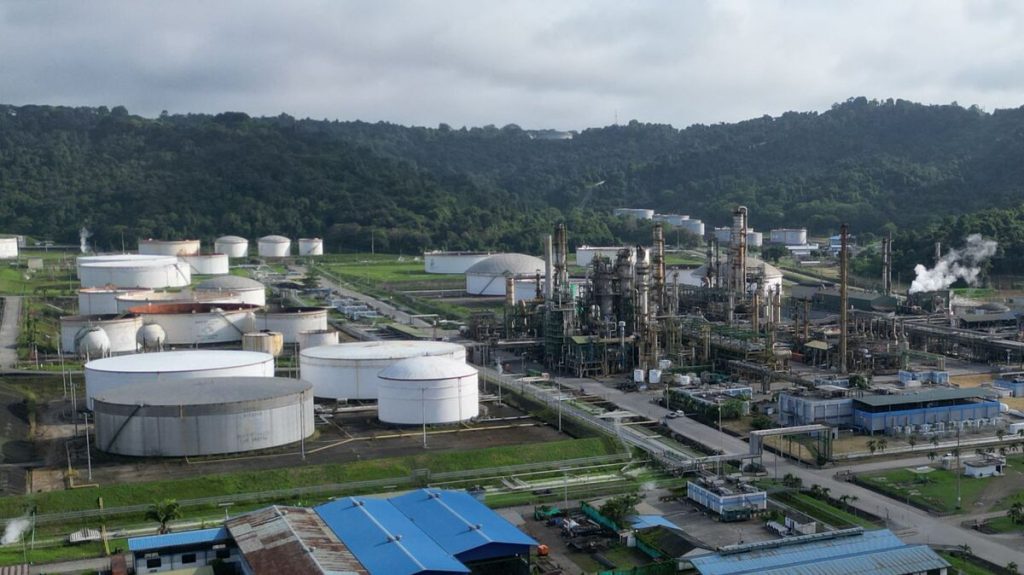
Ecuador is preparing to make its second foray into international debt markets this year, capitalizing on strengthened oil revenues and riding the wave of increased emerging market borrowing activity. This move represents a calculated strategy that I believe demonstrates both opportunity and risk for this South American nation.
The timing of this potential bond issuance is particularly telling. With oil prices maintaining relatively strong levels, Ecuador finds itself in a position where its primary export commodity is providing the fiscal breathing room needed to access global capital markets. This is exactly the kind of window that resource-dependent economies should be leveraging, though I would argue they need to be extremely cautious about how they deploy these funds.
Who Benefits from This Strategy
This approach primarily benefits Ecuador’s government in meeting immediate financing needs and potentially refinancing existing debt at more favorable terms. International investors seeking higher yields in emerging markets also stand to gain, particularly those with risk appetites suited for commodity-linked sovereign debt.
However, I think this strategy is most suitable for investors who understand the inherent volatility of oil-dependent economies and can weather potential commodity price swings. It’s definitely not appropriate for conservative investors seeking stable returns or those unfamiliar with emerging market dynamics.
The Broader Emerging Market Context
Ecuador’s move aligns with a broader trend of emerging market nations accessing international capital markets. This surge in borrowing activity reflects improved global liquidity conditions and investor appetite for higher-yielding assets. In my view, this represents both an opportunity and a warning sign – while access to capital is beneficial, the current environment may be encouraging excessive leverage.
Critical Considerations
What matters most here is Ecuador’s ability to diversify its economy beyond oil dependency. While current commodity strength provides favorable conditions for borrowing, the nation’s long-term fiscal health depends on reducing reliance on volatile oil revenues. I believe investors should scrutinize how these borrowed funds will be allocated – whether toward productive investments or merely covering operational expenses.
The success of this bond issuance will likely depend on global risk sentiment and oil market stability. For Ecuador, this represents a crucial test of market confidence in its fiscal management and economic prospects.