
Creative Taco Variations That Transform Traditional Mexican Cuisine
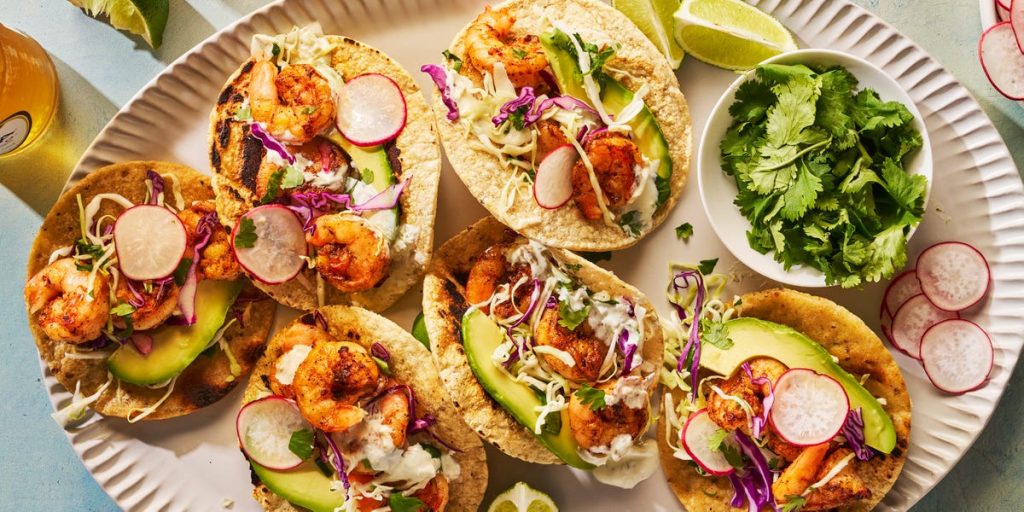
When it comes to tacos, most people think they know what they’re getting – the standard ground beef, lettuce, and cheese combination that’s become ubiquitous in American dining. But honestly, that’s selling this incredible culinary format dramatically short. I believe tacos represent one of the most versatile and underutilized platforms in modern cooking, and it’s time we started treating them with the creativity they deserve.
Why Traditional Tacos Are Just the Beginning
The beauty of tacos lies in their fundamental simplicity: a vessel, a protein, and complementary flavors. This basic framework opens up endless possibilities that most home cooks never explore. I think this hesitation stems from an unnecessary reverence for “authenticity” that actually limits our culinary potential.
For adventurous home cooks and food enthusiasts looking to expand their repertoire, innovative taco recipes offer an exceptional opportunity to experiment with flavor combinations and cooking techniques. However, if you’re someone who prefers sticking to familiar flavors or finds fusion cuisine off-putting, these creative variations might not resonate with your palate.
Protein Innovations That Actually Work
The protein component is where most creative taco recipes succeed or fail spectacularly. I’ve found that the most successful variations maintain the textural contrast that makes tacos satisfying while introducing unexpected flavors. Fish tacos with crispy beer batter and tangy slaw work because they preserve that essential crunch factor. Korean bulgogi beef tacos succeed because the marinated meat provides the same savory depth as traditional carnitas.
What doesn’t work, in my opinion, are overly precious combinations that prioritize novelty over flavor harmony. A taco needs to be substantial and satisfying – it’s not the place for delicate, restaurant-style plating or ingredients that require explanation.
Breakfast Taco Territory
Breakfast tacos represent perhaps the most successful evolution of the traditional format. Scrambled eggs, crispy bacon, and hash browns wrapped in a warm tortilla create a handheld meal that’s both practical and delicious. This works because breakfast foods naturally complement the taco structure, and the result feels intuitive rather than forced.
Vegetarian Options That Don’t Disappoint
Vegetarian tacos face a particular challenge – they need to provide the same satisfaction as meat-based versions without relying on protein for substance. The most successful approaches focus on creating complex, layered flavors and maintaining textural interest.
Roasted cauliflower with smoky spices can provide surprising depth, while black bean and sweet potato combinations offer natural sweetness that pairs beautifully with lime and cilantro. These work for vegetarians obviously, but they’re also excellent options for omnivores looking to incorporate more plant-based meals without feeling deprived.
Fusion Approaches Worth Trying
Fusion tacos walk a fine line between innovation and gimmickry. The successful ones respect both culinary traditions they’re combining, rather than simply throwing disparate elements together for shock value. Thai-inspired tacos with lemongrass chicken and peanut sauce work because both cuisines emphasize fresh herbs and balanced flavors.
Indian-spiced lamb tacos with mint chutney succeed because the warm spices complement rather than compete with traditional Mexican seasonings. These combinations appeal to adventurous eaters and those comfortable with bold flavors, but might overwhelm diners who prefer more straightforward taste profiles.
Who Benefits Most From Creative Taco Recipes
These innovative approaches particularly benefit busy families looking to make weeknight dinners more exciting without requiring extensive preparation time. Tacos remain fundamentally quick and casual, even when the ingredients become more sophisticated.
Food enthusiasts and home cooks who enjoy experimenting will find taco variations an excellent way to practice flavor balancing and technique development. The forgiving nature of the format means mistakes rarely result in inedible meals.
However, these creative approaches aren’t ideal for traditionalists who find comfort in familiar flavors, or for those feeding large groups with diverse preferences. Sometimes the classic approach exists for good reason – it’s universally appealing and reliably satisfying.
The Bottom Line on Taco Innovation
I believe the best creative taco recipes enhance rather than abandon the fundamental appeal of traditional versions. They should still be handheld, satisfying, and built around the interplay of textures and flavors that make tacos universally beloved. When innovation serves these core principles, the results can be genuinely exciting. When it prioritizes novelty over substance, you end up with Instagram-worthy food that disappoints on the plate.
The key is understanding that tacos work best as comfort food with a creative twist, not as a platform for culinary showmanship. Master that balance, and you’ll discover just how versatile this seemingly simple format can be.