
British Carrier Pushes for National Registry to Block Disruptive Flyers
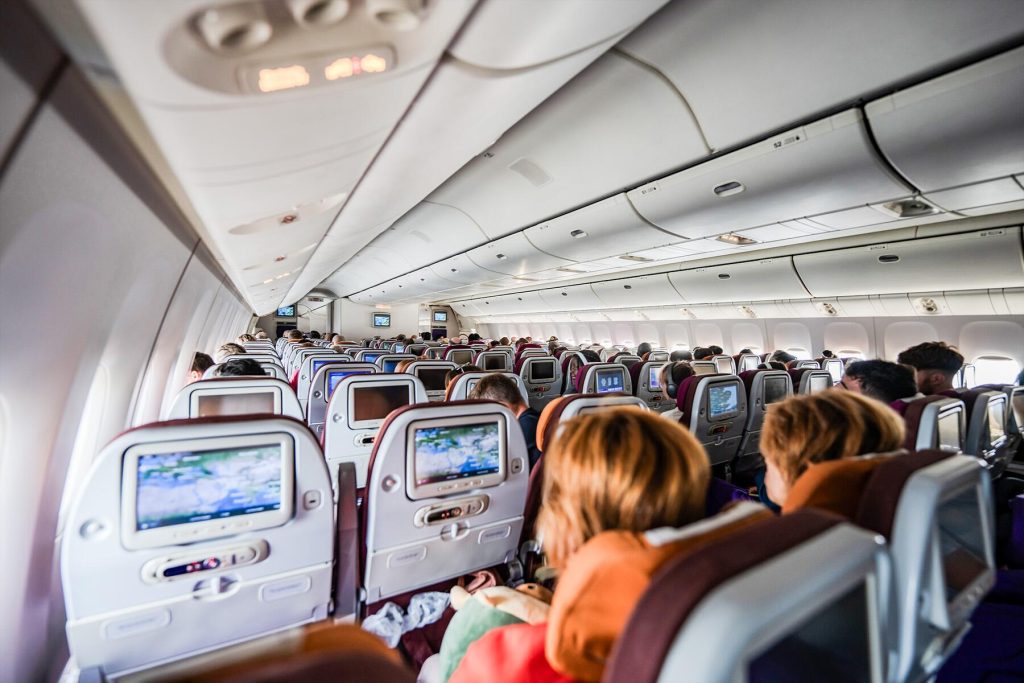
The aviation industry is grappling with a persistent problem that I believe demands more aggressive solutions: unruly passengers who wreak havoc on flights and face minimal consequences. A UK-based low-cost carrier has taken a bold stance by advocating for a comprehensive national database that would prevent disruptive travelers from flying on any domestic airline.
This proposal emerged after a particularly egregious incident involving an intoxicated couple who turned a routine flight from Turkey to London into a nightmare scenario. The pair, traveling with two children, became increasingly belligerent during the journey, culminating in physical altercations and racist outbursts directed at fellow passengers. When other travelers attempted to intervene, the situation escalated to the point where an elderly woman was accidentally struck. The pilot had no choice but to divert the aircraft to Bulgaria, where authorities removed the entire family.
What strikes me as particularly troubling is that witnesses reported the couple was visibly intoxicated before boarding. This raises serious questions about gate screening procedures that I think airlines need to address more rigorously.
Industry Response and Legal Consequences
The carrier has imposed lifetime bans on the disruptive passengers and plans to pursue legal action to recover financial losses from the incident. More significantly, they’re actively lobbying for legislation that would create a shared database among UK airlines, ensuring that banned individuals cannot simply book with competitors.
I believe this approach is long overdue. Currently, the aviation sector lacks comprehensive information sharing about problematic passengers, which seems counterproductive given the safety implications. Some European carriers have begun implementing mutual ban agreements – Dutch operators KLM and Transavia established a five-year cross-ban system in 2022, while major US carriers have also called for similar collaborative measures.
The Scope of Disruptive Behavior
The pandemic era witnessed an unprecedented surge in air rage incidents. Federal aviation authorities in the United States documented nearly 6,000 cases in 2021, compared to roughly 1,000 the previous year. While numbers have declined since then, they remain significantly elevated above pre-2020 levels, with over 1,600 incidents reported in 2025.
What many travelers don’t realize is how broadly airlines define unacceptable conduct. Beyond obvious violations like violence or intoxication, passengers can face removal or bans for seemingly minor infractions. Filming crew members without permission, refusing to follow instructions, or even playing audio without headphones can trigger serious consequences.
Financial Ramifications
Airlines are increasingly pursuing aggressive legal strategies against disruptive passengers, and frankly, I think this trend will accelerate. Flight diversions cost carriers tens of thousands of dollars in fuel, crew overtime, passenger accommodations, and schedule disruptions. Budget carrier Ryanair has filed multiple lawsuits seeking compensation and implemented automatic fines of €500 for unacceptable behavior.
This financial accountability approach makes perfect sense to me. Why should airlines absorb massive costs caused by individuals who choose to behave irresponsibly?
Who Benefits and Who Doesn’t
A national database system would primarily benefit law-abiding passengers who deserve safe, peaceful flights without disruption. Flight crews would also gain additional protection and support in managing difficult situations. Airlines themselves would see reduced operational costs and improved safety metrics.
However, this system wouldn’t be appropriate for everyone. Travelers with legitimate medical conditions that might cause behavioral changes, or those facing genuine emergencies, could potentially be unfairly targeted. The implementation would need robust appeal processes and clear guidelines to prevent discrimination.
Civil liberties advocates will undoubtedly oppose such measures, arguing they create permanent punishment for temporary poor judgment. While I understand these concerns, I believe passenger and crew safety must take precedence over individual convenience when someone has demonstrated they cannot behave appropriately in an aviation environment.
The aviation industry needs to move beyond individual airline responses and embrace comprehensive, industry-wide solutions. A national database represents a logical evolution in passenger management that could significantly improve the flying experience for everyone who follows basic behavioral standards.