
The Hidden Dangers of Improper Phone Cleaning: A Tech Expert’s Warning
In an era where our smartphones have become extensions of ourselves, proper device maintenance has never been more critical. Tech specialist Iyaz Akhtar is sounding the alarm about widespread misconceptions in phone cleaning practices that could be causing more harm than good.
I believe this message couldn’t come at a better time. With people spending upwards of seven hours daily on their devices, the accumulation of bacteria, oils, and debris on phone surfaces has reached concerning levels. Yet most users are approaching cleaning with methods that could permanently damage their expensive devices.
The most common mistake, according to industry experts, involves using harsh chemical cleaners or abrasive materials. Many people reach for household disinfectants containing bleach or ammonia, not realizing these substances can strip protective coatings from screens and compromise touch sensitivity. This is particularly relevant for anyone who invested in a premium smartphone – you’re essentially destroying the very features you paid extra for.

What strikes me as especially problematic is the widespread use of paper towels and tissues for screen cleaning. These materials, while appearing soft, contain microscopic fibers that create tiny scratches across display surfaces. Over time, these micro-abrasions accumulate, leading to reduced screen clarity and decreased resale value.
The Right Approach to Device Hygiene
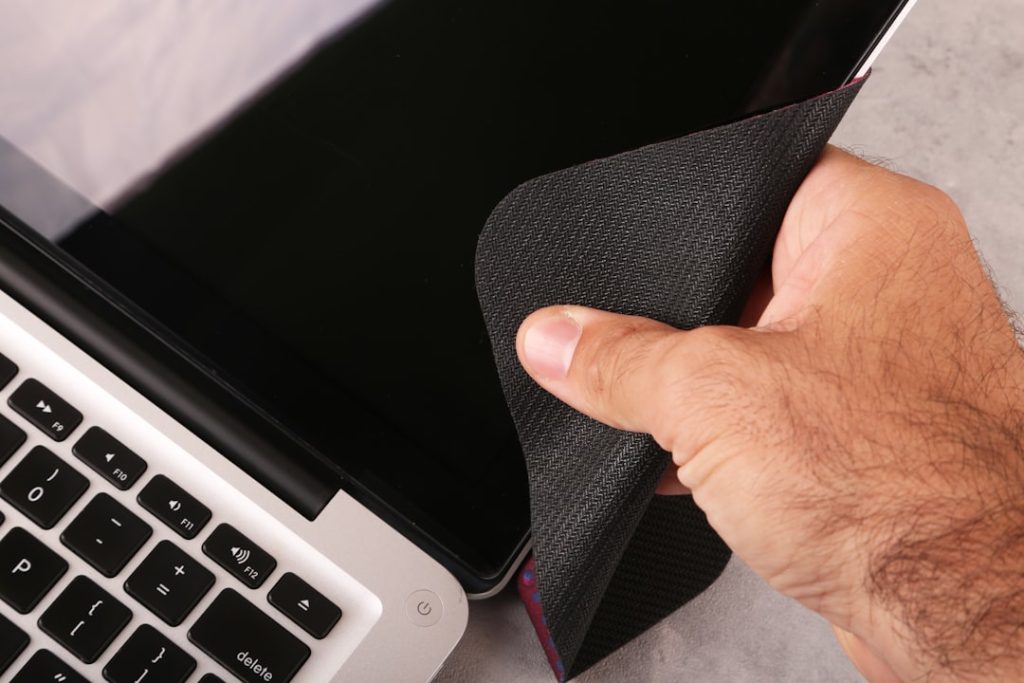
The proper cleaning methodology involves using microfiber cloths specifically designed for electronic devices, paired with gentle, alcohol-free cleaning solutions. I think this investment makes perfect sense for anyone serious about maintaining their technology – a quality microfiber cloth costs less than five dollars but can extend your device’s lifespan significantly.
For those dealing with stubborn grime, slightly dampening the microfiber cloth with distilled water provides effective cleaning without risking chemical damage. The key lies in gentle, circular motions rather than aggressive scrubbing, which many users default to when facing persistent stains.

Who Should Pay Attention to These Guidelines
This advice is particularly crucial for business professionals who rely on their devices for client presentations and video calls. A scratched, grimy screen creates an unprofessional impression that could impact career prospects. Similarly, content creators and photographers using their phones for professional work need pristine displays for accurate color representation and image editing.
However, I’d argue that casual users with older devices might not need to obsess over these protocols. If you’re planning to upgrade within the next year anyway, basic cleaning with whatever’s available probably won’t significantly impact your experience.
The cleaning frequency debate also deserves attention. While some experts recommend daily cleaning, I believe this is excessive for most users and could lead to over-cleaning damage. A thorough cleaning two to three times weekly strikes the right balance between hygiene and device preservation.
What matters most is consistency in approach rather than frequency. Establishing a routine using proper materials will yield better long-term results than sporadic intensive cleaning sessions with inappropriate supplies. This systematic approach benefits anyone who views their smartphone as a long-term investment rather than a disposable gadget.
Photo by Giorgio Trovato on Unsplash
Photo by Jakub Żerdzicki on Unsplash
Photo by everdrop GmbH on Unsplash