
Complex Dynamics in Sexual Assault Cases: When Victims Express Affection Toward Alleged Perpetrators
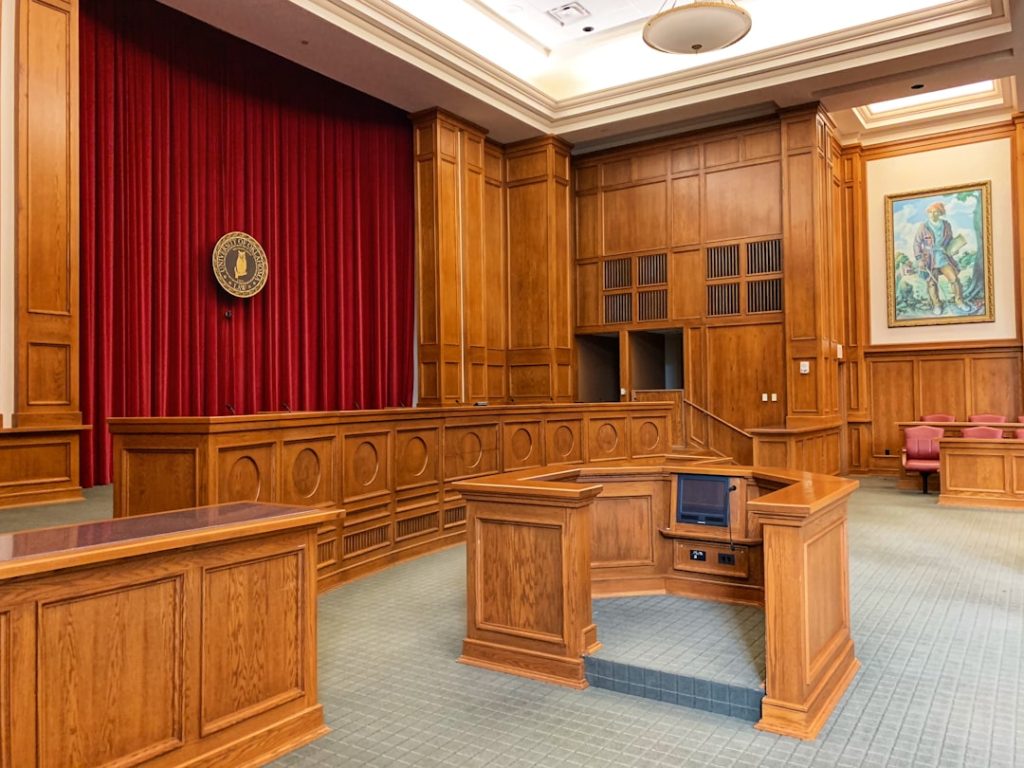
A troubling pattern emerges in high-profile sexual assault cases when victims express positive feelings toward their alleged attackers shortly after traumatic incidents. Recent testimony has highlighted how one accuser wrote affectionate messages to a prominent entertainment executive just days following an alleged assault, creating what many see as a confusing narrative for observers unfamiliar with trauma psychology.
I believe this case perfectly illustrates why the general public struggles to understand sexual assault dynamics. The expectation that victims should immediately cut contact and express only hatred toward perpetrators reflects a fundamental misunderstanding of how trauma actually works. This isn’t just relevant for legal professionals – it’s crucial knowledge for anyone who might serve on a jury or support survivors in their personal lives.
The Reality of Trauma Responses
What strikes me most about these situations is how they expose our collective ignorance about psychological responses to assault. Victims often maintain relationships with their attackers due to complex factors including power dynamics, financial dependence, career considerations, and psychological coping mechanisms. The entertainment industry, with its extreme power imbalances, creates particularly fertile ground for these complicated relationships.

This phenomenon isn’t limited to Hollywood executives – it occurs across all industries where significant power differentials exist. Corporate environments, academic institutions, and political organizations all create similar dynamics where victims may feel compelled to maintain positive relationships with those who have harmed them.
Who Needs to Understand This
In my view, this information is absolutely critical for several groups. Legal professionals must grasp these dynamics to properly represent clients and evaluate cases. Jurors need this understanding to make informed decisions rather than relying on misconceptions about how ‘real’ victims should behave. HR professionals and organizational leaders should recognize these patterns to create better reporting systems and support structures.
However, I don’t think this knowledge should be used to excuse or minimize assault allegations. Understanding complex victim behavior doesn’t mean accepting it as normal or inevitable – it means recognizing the systemic issues that create these situations in the first place.

The Broader Implications
What concerns me most is how these cases become sensationalized, focusing on the apparent contradictions rather than the underlying power structures that enable such behavior. The media attention often centers on why victims didn’t immediately report or cut contact, rather than examining how industries can prevent these situations from occurring.
For survivors watching these proceedings, seeing their experiences dissected and questioned in public forums can be retraumatizing. This is particularly relevant for anyone who has experienced similar situations and recognizes their own complicated responses reflected in these testimonies.
The legal system’s handling of such cases reveals significant gaps in how we approach sexual assault prosecution. Traditional frameworks often fail to account for the psychological complexity of these relationships, potentially leading to unjust outcomes for both accusers and the accused.
The challenge lies not in understanding why victims behave in seemingly contradictory ways, but in creating systems that prevent such exploitation from occurring in the first place.
Moving forward, I believe organizations must implement stronger safeguards and clearer reporting mechanisms that account for these complex dynamics. Simply telling potential victims to ‘speak up’ ignores the very real pressures and psychological factors that make immediate reporting difficult or impossible for many survivors.
Photo by David Veksler on Unsplash
Photo by Brenton Pearce on Unsplash
Photo by Sandra Dempsey on Unsplash