
Learning from Loss: How Defeat Becomes a Tool for Survival and Resistance
In the rugged terrain of Iran’s Zagros Mountains, the Bakhtiari people have carried the weight of dispossession for generations. When European explorers discovered oil beneath their ancestral lands in the late 1800s, it marked the beginning of a systematic erasure that would define their relationship with loss. The discovery by William Knox D’Arcy’s British-backed expedition in 1908 transformed these indigenous territories into extraction zones, displacing communities and reducing proud nomadic peoples to low-wage laborers in their own homeland.
The Anglo-Persian Oil Company’s appropriation of Bakhtiari lands exemplified a pattern repeated across colonized territories: the classification of indigenous peoples as obstacles to progress, their territories as wastelands ripe for exploitation. While oil revenues modernized distant capitals like Tehran, the Bakhtiari received nothing but environmental devastation and economic marginalization. Abandoned pipelines still scar the landscape, serving as monuments to colonial extraction and ongoing ecological crisis.
This legacy of systematic defeat shaped the worldview of one Bakhtiari father, who understood that loss arrives not as an exception but as a constant companion. In a brief letter written during the Iran-Iraq War, he shared this hard-won wisdom with his displaced son: that life fundamentally concerns itself with defeat, and the crucial skill lies in meeting these inevitable losses with courage and openness rather than retreat.
The Anticipation of Erasure
Frantz Fanon captured a similar dynamic in his analysis of racial objectification, describing the experience of Black viewers watching films and waiting for their own representation—knowing that when it appeared, it would likely reduce them to stereotypes and objects of scrutiny. This anticipation of dehumanization reflects a broader pattern: marginalized communities learn to expect their own unmaking within dominant cultural narratives.
The concept of defeat itself carries this history of undoing—derived from the French term meaning to unmake or destroy what has been constructed. Yet for communities repeatedly subjected to such unmaking, survival requires developing new forms of knowledge and resistance from within the experience of loss itself.
Revolutionary Defeats and Sacred Losses
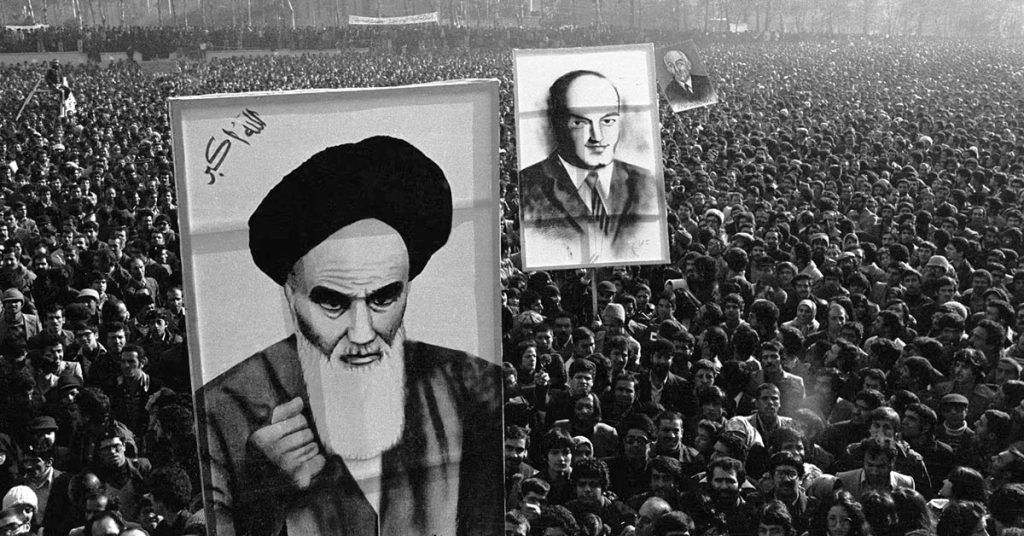
Iran’s modern history illustrates how defeat can become a foundation for future action. The 1979 revolution, despite its ultimate disappointments, drew inspiration from an even older defeat: the seventh-century battle of Karbala, where the Prophet Muhammad’s grandson Hussein and his followers were killed. This historical loss became central to Shia Islamic identity, generating annual mourning rituals that transform individual grief into collective memory and resistance.
The political theorist Ali Shariati attempted to bridge this tradition with contemporary anti-colonial thought, translating Fanon’s revolutionary ideas into Islamic frameworks. Though Fanon himself remained skeptical of movements rooted in ethnic or religious identity, preferring forward-looking liberation struggles, the Iranian experience demonstrates how historical defeats can energize future movements.
The Karbala narrative proved remarkably portable, traveling with indentured South Asian laborers to the Caribbean, where it became the Hosay ritual in Trinidad. When British colonial authorities opened fire on Hosay participants in 1884, they created another layer of defeat that connected contemporary Caribbean struggles with ancient Mesopotamian losses.
Hope Without Illusion
Those who live with repeated defeat develop what might be called pessimistic hope—a commitment to possibility that exists alongside clear-eyed recognition of systemic obstacles. This differs fundamentally from optimism, which expects favorable outcomes. Instead, it represents what Walter Benjamin described as hope given for the sake of those who have none.
James Baldwin embodied this perspective, acknowledging that colonial racism had essentially stolen the future from Black Americans while simultaneously insisting on responsibility to coming generations. Similarly, the Crow Nation developed what anthropologist Jonathan Lear terms radical hope—orientation toward goods that cannot yet be conceptualized or understood within existing frameworks.
For Palestinians enduring ongoing dispossession, this form of hope becomes essential for survival. It enables continued resistance even when meaningful change seems impossible, creating space for imagination beyond current realities.
Methodology of the Dispossessed
Understanding defeat as methodology rather than simply outcome transforms how marginalized communities approach knowledge production and political action. Rather than seeking to restore what was lost, this approach focuses on creating new possibilities from within conditions of brokenness and limitation.
This perspective challenges dominant historical narratives that frame progress as a series of victories by powerful actors. Instead, it suggests that genuine understanding emerges through engagement with loss, displacement, and systematic exclusion. The defeated possess forms of knowledge unavailable to those who benefit from existing arrangements.
Colonial modernity constructed history as inevitable progress toward greater control and mastery. Anti-colonial practice requires breaking with this teleology, learning to think productively within and through defeat rather than despite it. This involves what some theorists call dwelling with darkness—working with opacity and uncertainty rather than demanding complete clarity and transparency.
Resistance Through Refusal
The practice of facing defeat openly connects with broader traditions of fugitivity and opacity—strategies that refuse complete knowability within dominant systems. Rather than simply escaping oppressive conditions, these approaches transform consciousness and create new forms of subjectivity.
Such resistance operates through refusal: declining to accept imposed identities, rejecting the terms of colonial recognition, and insisting on the right to exist otherwise. This form of politics emerges from below, speculating possibilities that transcend current arrangements of power and domination.
The ongoing Palestinian experience since 1948 exemplifies this approach, demonstrating how communities can maintain resistance across generations of systematic defeat. Each instance of loss provides new opportunities for understanding and action, ensuring that while defeats may recur, they never repeat exactly the same patterns.
Through this lens, defeat becomes not an endpoint but a beginning—a clearing of conceptual space that enables radical imagination and sustained commitment to justice despite seemingly impossible odds.