
Fast Food Giant Eliminates Self-Service Beverages, Sparking Customer Backlash
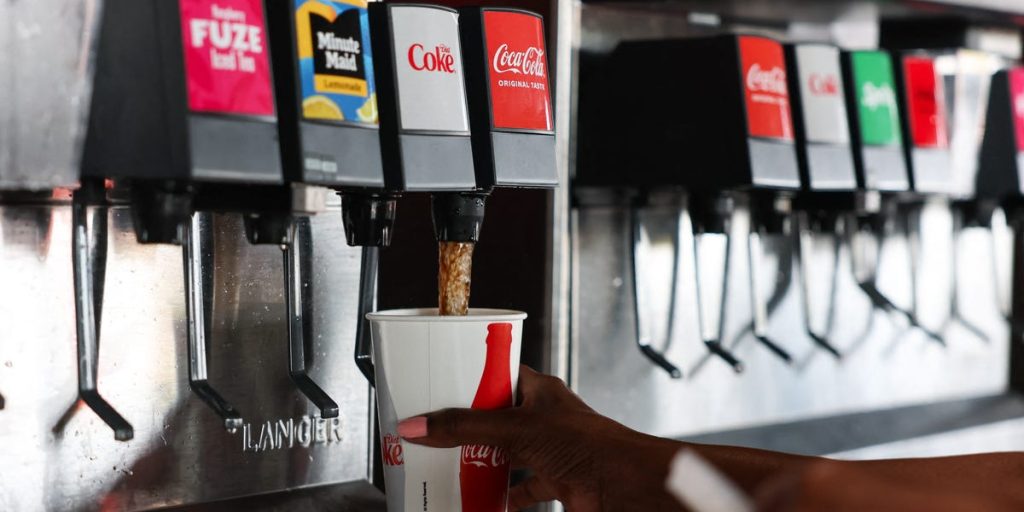
The golden arches restaurant chain has announced a sweeping operational change that will fundamentally alter the dining experience for millions of customers. Over the next six years, the company plans to eliminate self-service fountain drink stations across all locations, requiring staff to prepare beverages behind the counter instead.
This transition represents more than just a procedural shift—it’s a calculated business decision that prioritizes operational control over customer convenience. In my view, this move reflects the broader trend of fast food chains tightening their grip on every aspect of the customer experience, often at the expense of the flexibility that many patrons have come to expect.
The Business Case Behind the Change
From a corporate perspective, this decision makes perfect sense. By moving beverage preparation behind the counter, the restaurant chain gains unprecedented control over portion sizes, drink quality, and facility cleanliness. The elimination of self-service stations also removes the ongoing maintenance costs associated with customer-accessible equipment.
However, I believe this change primarily benefits the company’s bottom line rather than enhancing customer satisfaction. The move allows for stricter portion control, which inevitably means customers will receive exactly what they pay for—no more, no less. This is particularly relevant for budget-conscious diners who have historically relied on generous self-service portions.
Customer Concerns and Valid Criticisms
The customer response has been overwhelmingly negative, and frankly, their concerns are justified. The elimination of self-service stations removes the ability to customize beverages—mixing different flavors or adjusting ice levels according to personal preference. For many customers, this customization was part of the value proposition.
More significantly, the future of complimentary refills becomes uncertain. While the company hasn’t explicitly stated that free refills will disappear, the logistics of staff-prepared beverages make unlimited refills far more challenging to implement. This change will disproportionately affect families with children and customers who typically spend extended time in the restaurant.
Who Benefits and Who Doesn’t
This policy change clearly favors the corporation over consumers. Restaurant managers will appreciate reduced cleaning responsibilities and lower maintenance costs. The company will benefit from improved cost control and potentially higher beverage profit margins.
However, regular customers—particularly those who value customization and generous portions—will find themselves disadvantaged. Families who rely on free refills to stretch their dining budget will be hit hardest. Additionally, customers who prefer specific drink combinations or ice ratios will lose this flexibility entirely.
Industry Implications
This shift reflects a broader industry trend toward reducing customer autonomy in favor of operational efficiency. While some may argue that staff-prepared beverages ensure consistency and quality, I contend that this change prioritizes profit margins over customer satisfaction.
The timing is particularly telling, as labor costs continue to rise across the service industry. By centralizing beverage preparation, the company can better monitor and control one of its highest-margin products while potentially reducing overall operational complexity.
Ultimately, this change represents the ongoing evolution of fast food from a customer-centric service model to a more controlled, profit-optimized operation. Whether customers will accept this trade-off remains to be seen, but the initial reaction suggests significant resistance to this fundamental shift in the dining experience.