
Fashion’s Obsession with Artificial Bodies: When Clothing Becomes Sculptural Armor
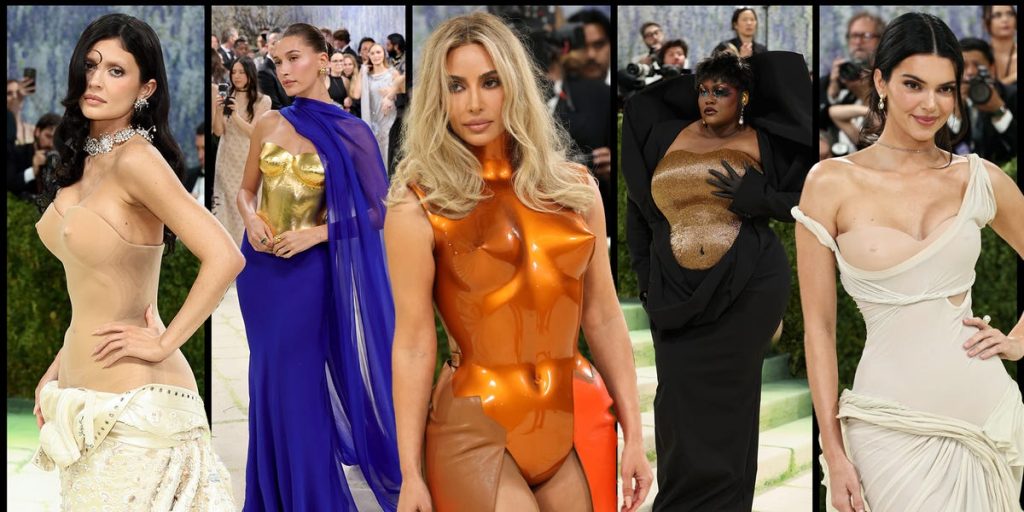
The most recent fashion gala celebrating the Costume Institute’s “Costume Art” exhibition revealed something fascinating about our cultural moment: while the theme centered on the dressed human form, attendees gravitated toward artificial body representations instead. This shift speaks volumes about our relationship with authenticity in an era dominated by digital manipulation and surgical enhancement.
What struck me most was how celebrities embraced prosthetics and sculptural elements to create entirely fabricated silhouettes. One performer appeared in complete facial prosthetics, transforming into an elderly gentleman before revealing their true identity. This level of theatrical disguise represents something profound—a rejection of the natural self in favor of constructed identity.
The trend extended beyond facial transformation into bodily reconstruction through fashion. Multiple attendees wore garments featuring molded breasts, carved belly buttons, and sculpted torsos that bore no resemblance to their actual anatomy. These pieces functioned less as clothing and more as wearable sculpture, creating idealized forms that existed independently of the wearer’s body.
The Psychology Behind Artificial Enhancement
I believe this phenomenon reflects our collective anxiety about physical perfection in the social media age. For celebrities constantly under scrutiny, these sculptural garments serve as literal armor—protecting their real bodies while presenting an unattainable ideal. It’s brilliant theater, but it also reveals something troubling about our beauty standards.
The exhibition itself explores various body types—pregnant, aging, disabled, and corpulent forms—attempting to challenge rigid beauty ideals. Yet the gala’s interpretation seemed to reinforce those very standards by presenting only perfected, artificial versions of the human form. This disconnect highlights fashion’s ongoing struggle with inclusivity versus aspiration.
Who Benefits from This Trend
This approach serves several constituencies well. Celebrities gain protection from body shaming while making bold artistic statements. Fashion designers showcase technical prowess and conceptual thinking. The media gets visually striking content that generates engagement and discussion.
However, I worry about the message this sends to everyday consumers. When even fashion’s most celebrated figures choose artificial enhancement over natural presentation, it reinforces the notion that our authentic selves are insufficient. This is particularly problematic for young people already struggling with body image in our filtered, edited digital landscape.
Historical Context and Contemporary Relevance
The exhibition draws parallels between ancient Greek and Roman breastplates—designed to present idealized warrior physiques—and contemporary fashion’s sculptural elements. This comparison illuminates fashion’s longstanding role as body armor, both literal and metaphorical.
What’s different now is the accessibility of body modification technology and the pervasiveness of digital manipulation. When surgical enhancement and photo editing are commonplace, wearing sculptural clothing becomes another tool in the arsenal of self-transformation.
The Broader Cultural Implications
I find it significant that this occurred during a period when revealing, body-conscious fashion has dominated red carpets. The shift toward artificial enhancement suggests that even extreme exposure isn’t enough—the body itself must be perfected, whether through surgery, prosthetics, or sculptural garments.
This trend particularly appeals to those seeking maximum visual impact and artistic expression. Fashion enthusiasts, performance artists, and individuals comfortable with theatrical presentation will find inspiration in these boundary-pushing approaches. The technical craftsmanship required also appeals to those who appreciate fashion as art rather than mere clothing.
However, this aesthetic won’t resonate with everyone. Those seeking authentic self-expression, comfort-focused dressing, or relatable fashion inspiration may find these approaches alienating. The extreme nature of these looks makes them impractical for most real-world applications.
Looking Forward
I believe we’re witnessing fashion’s response to our increasingly artificial culture. As digital manipulation becomes standard and surgical enhancement more accessible, clothing designers are pushing into territory previously occupied by special effects artists and prosthetic makers.
While these creations showcase remarkable artistry and technical skill, they also represent a concerning departure from celebrating natural human diversity. The exhibition’s stated goal of challenging beauty ideals seems undermined when its most visible interpretation reinforces the notion that only perfected, artificial forms deserve display.
Ultimately, this trend serves as both artistic achievement and cultural mirror, reflecting our complicated relationship with authenticity in an age of endless enhancement possibilities. Whether this represents creative evolution or troubling escapism likely depends on one’s perspective on fashion’s role in society.