
Model Makes Bold Renaissance Statement at Fashion’s Biggest Night
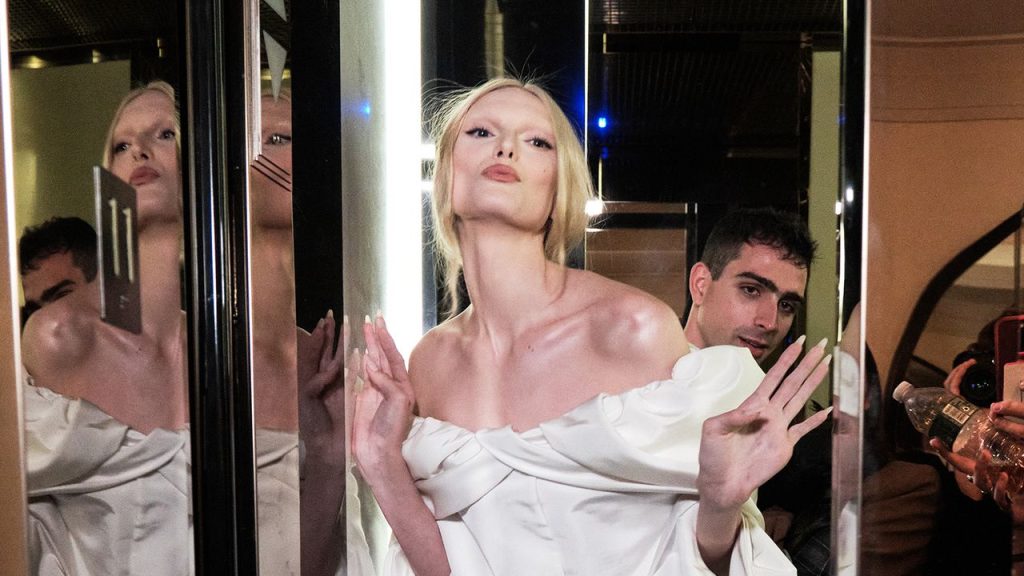
The fashion world witnessed an extraordinary fusion of classical art and contemporary cinema when model Alex Consani graced the red carpet at this year’s most anticipated fashion event. Her carefully curated ensemble drew inspiration from two seemingly disparate sources: Renaissance master Sandro Botticelli’s timeless paintings and Darren Aronofsky’s psychological thriller ‘Black Swan.’
What strikes me most about this fashion choice is how it demonstrates the evolving sophistication of modern red carpet styling. This isn’t just about wearing a pretty dress—it’s about creating a narrative that bridges centuries of artistic expression. I believe this approach represents the future of high-fashion events, where attendees are expected to be walking art installations rather than simple fashion showcases.
The inspiration behind Consani’s look speaks to a deeper cultural conversation about the cyclical nature of beauty standards and artistic influence. Botticelli’s ethereal figures have long captivated audiences with their otherworldly grace, while ‘Black Swan’ explored the darker psychological depths of pursuing perfection in performance art. This duality creates a fascinating tension that I find particularly relevant for today’s fashion landscape.
For fashion enthusiasts and art history buffs, this kind of conceptual dressing offers rich layers of meaning to unpack. However, I suspect the average viewer might miss these nuanced references, which raises questions about whether such intellectual fashion statements truly connect with broader audiences. The risk with overly conceptual looks is that they can feel pretentious or inaccessible to those without extensive cultural knowledge.
From a styling perspective, successfully merging Renaissance aesthetics with modern psychological thriller elements requires exceptional skill and vision. The challenge lies in creating something that feels cohesive rather than costume-like. I believe this particular interpretation succeeds because it doesn’t literally recreate either source material but instead captures their emotional essence.
This fashion moment also highlights how contemporary models are increasingly becoming cultural interpreters and storytellers through their style choices. Rather than simply serving as mannequins for designer creations, they’re actively participating in broader artistic conversations. For young people entering the fashion industry, this represents both an opportunity and a pressure to bring intellectual depth to their public appearances.
What concerns me, though, is whether this trend toward hyper-intellectual fashion might alienate audiences who simply want to enjoy beautiful clothing without needing a master’s degree in art history to appreciate it. There’s something to be said for fashion that speaks to emotion and beauty on a more immediate, visceral level.