
From Catwalk to Gallery: How Fashion’s Greatest Designs Earned Museum Recognition
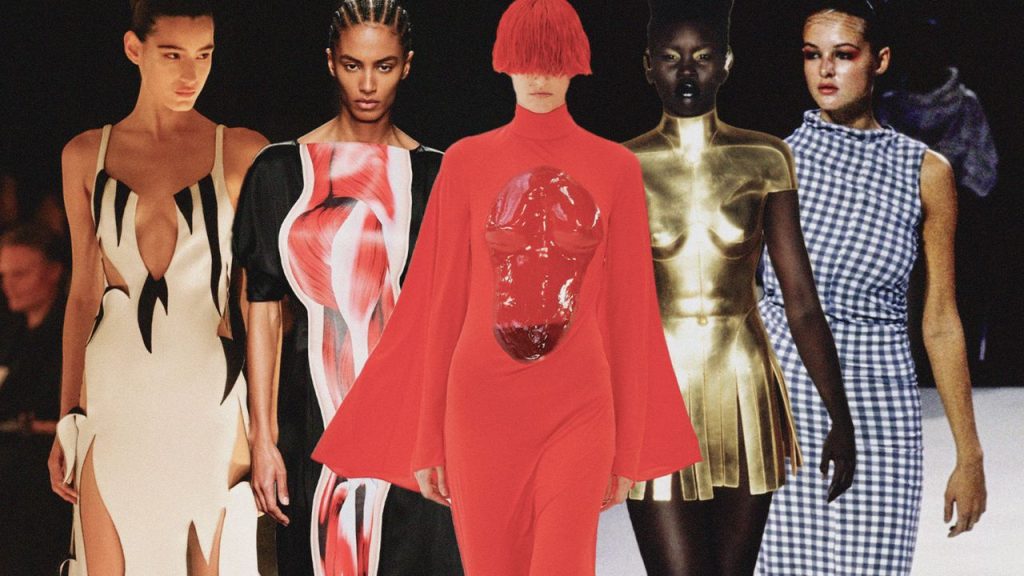
The journey from fashion runway to museum exhibition represents one of the most prestigious validations a designer can receive. When pieces transition from seasonal collections to permanent cultural institutions, they transcend their commercial origins to become artistic statements worthy of preservation and study.
I find this transformation fascinating because it highlights how fashion operates on multiple levels simultaneously. What begins as wearable art designed for consumers eventually becomes historical artifact, cultural commentary, and artistic inspiration all rolled into one. The recent “Costume Art” exhibition at the Metropolitan Museum perfectly illustrates this evolution, showcasing how clothing functions as both functional design and conceptual art.
The exhibition’s thematic organization around different representations of the human body strikes me as particularly clever. By categorizing works under headings like “Classical Body,” “Abstract Body,” and “Reclaimed Body,” curators demonstrated fashion’s unique ability to reshape, reimagine, and redefine our understanding of human form and identity.
Established Masters and Rising Stars
What I appreciate most about this particular exhibition is its balance between legendary designers and emerging talent. Seeing iconic pieces from Comme des Garçons’ groundbreaking “Lumps and Bumps” collection alongside works from contemporary designers like Dilara Findikoglu and Dimitra Petsa creates a compelling dialogue between fashion’s past and future.
This approach benefits several audiences. Fashion students and emerging designers can study how innovative concepts translate from sketch to runway to museum piece. Established collectors gain insight into which contemporary works might achieve similar institutional recognition. Art enthusiasts who typically overlook fashion discover its conceptual depth and cultural significance.
The Museum Selection Process
However, I think it’s important to acknowledge that museum inclusion doesn’t automatically validate artistic merit. Institutional politics, donor relationships, and curatorial preferences all influence which pieces earn exhibition space. Some groundbreaking designs never receive museum recognition simply because they don’t fit prevailing academic narratives or aesthetic preferences.
The categorization system used in “Costume Art” reveals both strengths and limitations of how museums approach fashion. While themes like “Pregnant Body” and “Disabled Body” highlight fashion’s role in representing diverse experiences, these categories can also feel reductive when applied to complex, multifaceted designs.
Beyond the Exhibition Walls
For fashion professionals, exhibitions like this serve multiple purposes. They provide historical context for contemporary work, establish artistic legitimacy for the medium, and create opportunities for cross-disciplinary collaboration. Designers benefit from seeing their work contextualized within broader cultural conversations about identity, representation, and artistic expression.
Yet I believe the real value lies not in the prestige of museum inclusion, but in how these exhibitions challenge viewers to reconsider fashion’s cultural role. When we see clothing displayed alongside traditional artworks, we’re forced to confront our assumptions about what constitutes serious artistic expression.
The inclusion of emerging designers particularly excites me because it suggests museums are becoming more responsive to contemporary innovation rather than simply celebrating established reputations. This shift could encourage more experimental approaches to fashion design, knowing that conceptual risk-taking might eventually earn institutional recognition.
Ultimately, exhibitions bridging runway and gallery serve everyone interested in understanding how creative expression evolves and gains cultural significance. They remind us that today’s commercial fashion could become tomorrow’s museum treasure, encouraging both creators and consumers to approach clothing with greater artistic appreciation.