
Emerging Designer’s Intricate Cape Creation Showcases Luxury Fashion’s Labor-Intensive Reality
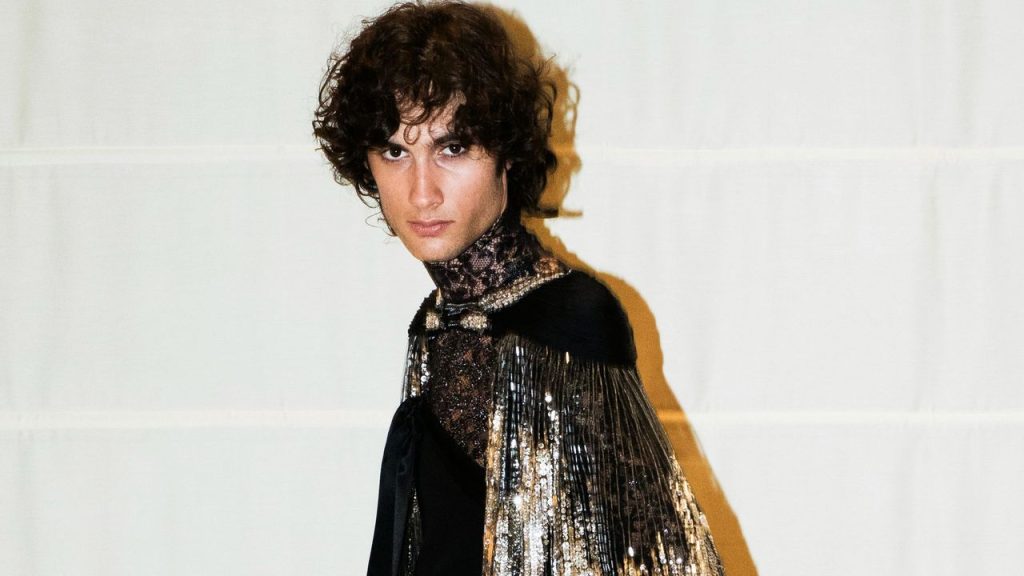
The world of high fashion witnessed another testament to the extraordinary craftsmanship that defines luxury couture when an emerging designer presented an elaborate cape that required an astounding 500 hours of meticulous handiwork. This showcase perfectly encapsulates what I believe is both the magic and the problematic nature of today’s fashion industry.
The sheer dedication required for such a piece raises fascinating questions about the value we place on artisanal work in our increasingly digital world. Five hundred hours represents more than three months of full-time labor by skilled artisans, and frankly, I think this level of commitment deserves more recognition than it typically receives in mainstream fashion coverage.
The Economics of Luxury Craftsmanship
What strikes me most about this creation is how it highlights the stark divide in fashion consumption. This type of garment is exclusively for those who can afford to pay tens of thousands of dollars for a single piece – and honestly, that’s perfectly fine. Luxury fashion has always served as a form of wearable art, and I believe there’s genuine value in preserving these traditional techniques.
However, this isn’t relevant for the average fashion enthusiast. Most consumers will never own anything requiring such intensive labor, nor should they expect to. The real beneficiaries here are fashion students, aspiring designers, and industry professionals who can learn from these techniques and potentially adapt simplified versions for broader markets.
Cultural Impact Beyond the Red Carpet
The significance of such elaborate pieces extends far beyond their initial debut. In my opinion, these creations serve as important cultural artifacts that document the pinnacle of human craftsmanship in textiles. They preserve techniques that might otherwise disappear in our mass-production economy.
Fashion houses that invest in such time-intensive pieces are essentially funding the continuation of artisanal skills. This benefits not just the luxury market, but the entire fashion ecosystem by maintaining standards of excellence that trickle down to ready-to-wear collections.
Who This Matters For
I believe this story resonates most strongly with several specific groups. Fashion industry professionals gain insight into the production realities behind luxury pieces. Art enthusiasts can appreciate the intersection of fashion and fine craftsmanship. And consumers interested in sustainable fashion should note how these pieces represent the opposite of fast fashion – they’re designed to be treasured indefinitely.
Conversely, this isn’t particularly relevant for budget-conscious shoppers or those primarily interested in everyday fashion practicality. The techniques and time investment represent an entirely different category of fashion consumption.
The Future of Artisanal Fashion
What I find most compelling about such elaborate creations is their role in pushing creative boundaries. When designers aren’t constrained by commercial production timelines or cost considerations, they can explore techniques and aesthetics that might eventually influence more accessible fashion.
The 500-hour investment also demonstrates something crucial about luxury fashion’s value proposition. Unlike mass-produced items, these pieces justify their price points through documented human labor and irreplaceable craftsmanship skills. In an era of increasing automation, I think there’s something profoundly important about celebrating work that simply cannot be replicated by machines.
Ultimately, while such elaborate fashion pieces may seem disconnected from everyday reality, they serve as important benchmarks for what’s possible when creativity meets unlimited dedication. They remind us that fashion, at its highest level, remains a deeply human art form.