
The End of Peaceful Flying: Why In-Flight Voice Calls Are a Terrible Idea
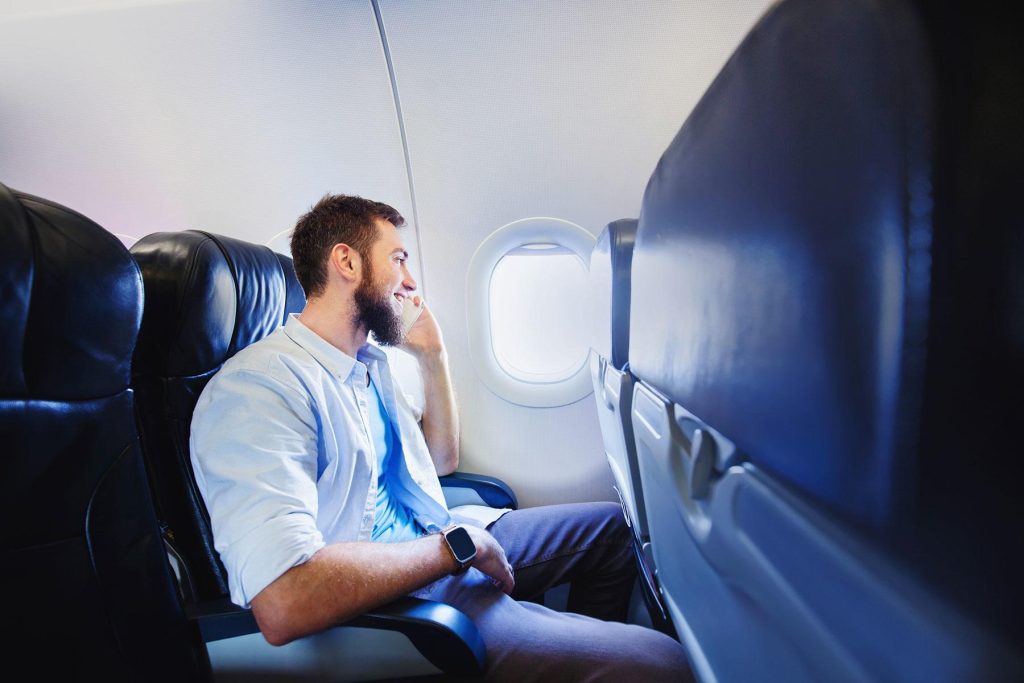
The aviation industry has reached a troubling milestone that I believe will fundamentally change air travel for the worse. A major European carrier has begun permitting passengers to conduct voice and video conversations during flight using satellite internet technology, marking what could be the death knell for one of the last remaining sanctuaries from our hyperconnected world.
This development represents more than just a technological advancement—it’s a concerning shift that prioritizes connectivity over passenger comfort and mental well-being. While the airline frames this as progress, offering unrestricted satellite internet access across their fleet over the coming two years, I see it as a misguided attempt to eliminate every moment of disconnection from our daily lives.
The carrier has implemented some basic courtesy guidelines, requesting that passengers keep conversations quiet and use headphones. They’ve also established content restrictions, blocking inappropriate material and asking travelers to avoid offensive content. However, these measures feel woefully inadequate for managing what could become a cacophony of competing conversations in an enclosed metal tube at 35,000 feet.
Who Benefits and Who Suffers
This change primarily serves business travelers who view constant connectivity as essential to their work. For executives who can’t afford to be unreachable, the ability to join video conferences mid-flight might seem like a godsend. Remote workers and digital nomads will also appreciate maintaining their productivity schedules regardless of their physical location.
However, I believe this development will be devastating for the vast majority of passengers who still view flights as a brief respite from the demands of modern life. Leisure travelers, families with young children, and anyone seeking a few hours of peace will find themselves trapped in what amounts to an airborne office space filled with competing phone conversations.
The Regulatory Landscape
The situation varies significantly between regions. While cellular networks remain prohibited on flights within American airspace—a ban that’s been in place since 1991—internet-based calling falls into a regulatory gray area. Several American carriers are also implementing similar satellite technology, though they haven’t yet permitted voice communications.
Interestingly, legislative attempts to ban internet-based calling have stalled, leaving individual airlines to set their own policies. This piecemeal approach means passengers will face an inconsistent experience depending on their chosen carrier and route.
Why This Matters More Than You Think
The implications extend far beyond passenger comfort. Flight attendants will now bear the burden of policing conversations and content consumption, adding another layer of complexity to their already demanding roles. This enforcement responsibility could easily escalate into conflicts that crews must manage while trying to ensure passenger safety.
More fundamentally, this change reflects our society’s inability to accept any boundaries around connectivity. The airplane cabin was one of the few remaining spaces where being temporarily unreachable was not only acceptable but expected. That protection is now evaporating, and I fear we’ll look back on this moment as when business travel became truly unbearable.
The technology enabling this shift offers dramatically improved internet speeds compared to traditional aviation connectivity systems. While previous solutions barely supported basic web browsing, satellite-based networks can handle streaming video and real-time communications. This capability gap explains why voice calling is only now becoming feasible on a large scale.
The Broader Industry Impact
Multiple carriers worldwide are racing to implement similar systems, suggesting this trend will accelerate rather than remain isolated. The competitive pressure to offer connectivity will likely force airlines to abandon quiet cabin policies in favor of unrestricted communication access.
For frequent flyers, this represents a fundamental shift in the travel experience. The psychological benefits of forced disconnection—the opportunity to read, think, or simply rest without interruption—will become increasingly rare commodities in commercial aviation.
While some passengers will undoubtedly welcome the ability to stay connected throughout their journey, I believe the aviation industry is making a critical mistake by prioritizing technology over passenger well-being. The few remaining hours of enforced digital detox that air travel provided may soon become just another memory of a simpler time.