
Budget Airline Collapse Leaves Customers Fighting for Refunds While Industry Faces Major Disruption
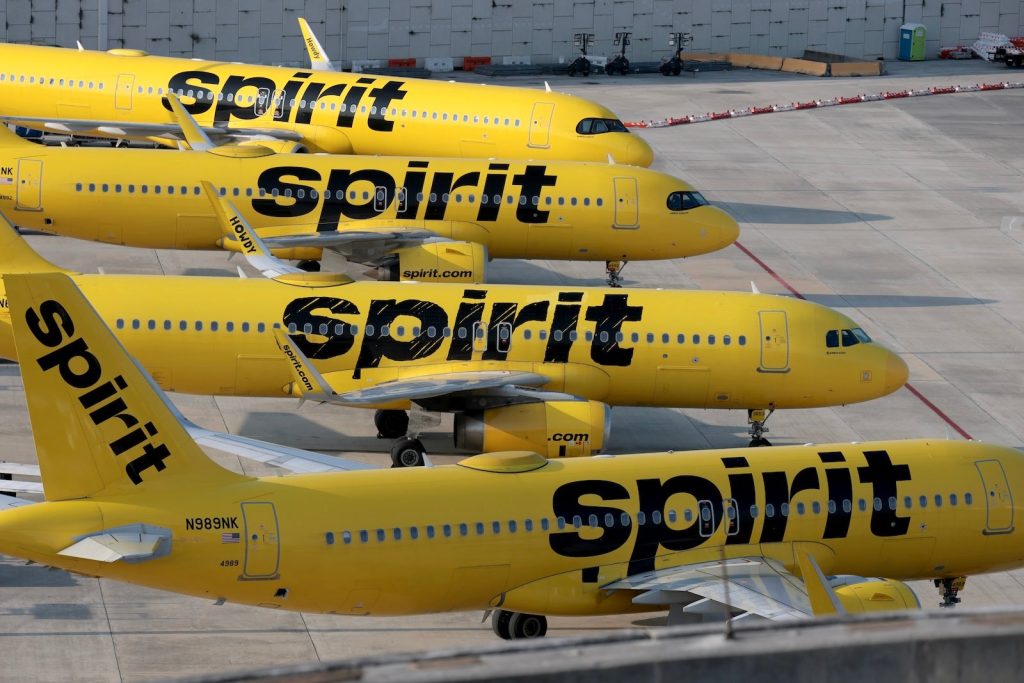
The sudden collapse of a major budget airline has created a stark reminder of the risks passengers face when booking with financially troubled carriers. While cash-paying customers appear to be getting their money back, those who used loyalty points or vouchers are facing what looks like a complete loss of their investments.
This situation perfectly illustrates why I’ve always been skeptical of putting too much value into airline loyalty programs, especially with carriers showing financial stress. The writing was on the wall for months, yet many travelers continued booking and accumulating points, perhaps hoping for the best outcome that rarely materializes in bankruptcy situations.
The Refund Reality Check
Credit and debit card holders are seeing automatic refunds processed, though the airline warns it may take time for these to appear on statements. This is exactly why I always recommend using credit cards for airline bookings – the consumer protections are invaluable when things go sideways.
However, multiple industry insiders report that refunds haven’t appeared for everyone yet. If you’re in this situation, don’t wait around hoping. Contact your credit card company immediately to dispute the charges. Time is critical in these scenarios, and financial institutions have limited windows for processing disputes.
The airline claims it will also refund add-on purchases like baggage fees and seat selections made before early May. Frankly, I’m skeptical about how thoroughly this will be executed given the chaos of a complete operational shutdown.
Points and Vouchers: A Cautionary Tale
Here’s where the situation gets truly ugly, and honestly, predictable. Anyone who booked with loyalty points or held vouchers is essentially out of luck. The bankruptcy court will ultimately decide their fate, but history shows these customers typically recover pennies on the dollar, if anything.
This is precisely why I’ve never been a fan of hoarding airline points, especially with budget carriers. The risk-reward calculation simply doesn’t work when you consider the potential for complete loss. Those who accumulated substantial point balances through flights and co-branded credit cards are learning this lesson the hard way.
The previous valuation of roughly 1.1 cents per point is now effectively zero – a sobering reminder that loyalty program currencies are only as stable as the companies behind them.
Passenger Chaos and Industry Response
The human cost of this collapse extends beyond financial losses. Stranded passengers faced impossible situations, like families trying to get home from vacation destinations with children in tow. One traveler described jumping to another carrier for $200 per person – significantly more than originally planned but still reasonable compared to last-minute pricing disasters we’ve seen in other airline emergencies.
What impressed me was how quickly other carriers stepped in with rescue fare programs. In just twelve hours, one major airline helped 14,000 stranded passengers find alternative flights. This kind of industry cooperation benefits everyone and shows how competition can work positively during crisis situations.
The rescue fare concept is brilliant for the helping airlines too – they’re capturing new customers who might stick around after experiencing better service, even if they’re paying premium prices during the emergency.
Long-Term Market Implications
The loss of a major budget carrier will undoubtedly impact fare competition across the industry. Budget airlines serve a crucial role in keeping legacy carriers honest on pricing, and removing that pressure typically leads to higher fares for everyone.
This affects different traveler segments unequally. Leisure travelers who relied on ultra-low fares will feel the pinch most acutely, while business travelers with expense accounts won’t notice much difference. It’s the middle-class families planning annual vacations who will struggle most with reduced competition.
The collapse also highlights the vulnerability of point-to-point route networks. When a major carrier disappears overnight, entire city pairs lose service that may take years to replace, if ever. Smaller markets that depended on budget carrier service could find themselves effectively cut off from affordable air travel.
For frequent travelers, this situation reinforces the importance of diversification – don’t put all your loyalty eggs in one airline’s basket, especially if that carrier shows signs of financial distress. The 17,000 employees who lost their jobs overnight serve as a reminder that airline business models built on razor-thin margins are inherently unstable.
Moving forward, travelers should view airline loyalty programs more skeptically and prioritize flexible booking options over point accumulation, particularly with carriers operating in financial uncertainty.