
Budget Airline Industry Faces Major Disruption as Carrier Operations Cease
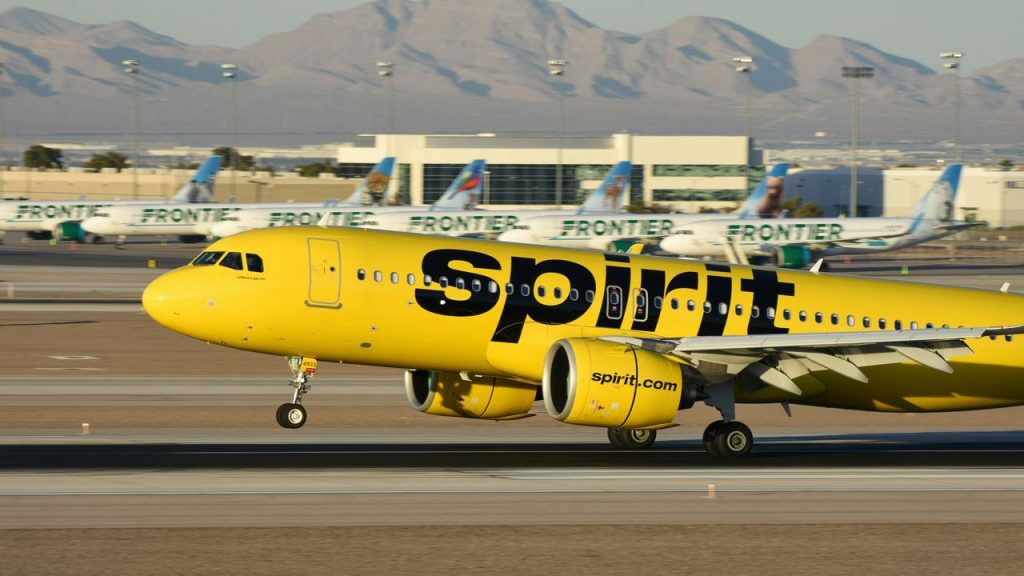
The budget airline sector has experienced a significant shake-up with the cessation of operations by a major low-cost carrier, leaving thousands of passengers scrambling for alternatives and raising serious questions about the sustainability of ultra-low-cost business models in today’s aviation landscape.
In my view, this development was inevitable given the mounting pressures facing discount airlines. The ultra-low-cost model, while attractive to price-conscious consumers, operates on razor-thin margins that leave little room for error when external factors like fuel costs, labor disputes, or economic downturns hit.
Immediate Impact on Travelers
Passengers who had booked flights are now facing the harsh reality of cancelled trips and potential financial losses. This situation particularly affects budget-conscious travelers who specifically chose this carrier for its low fares – ironically, the very demographic least equipped to absorb sudden rebooking costs with other airlines.
I believe this crisis disproportionately impacts leisure travelers and families who planned vacations months in advance. Business travelers, while inconvenienced, typically have more flexibility and corporate backing to secure alternative arrangements quickly.
What This Means for the Aviation Industry
This shutdown represents more than just one airline’s failure – it’s a canary in the coal mine for the entire budget aviation sector. The business model of offering rock-bottom fares while charging for every conceivable add-on has reached its limits in the current economic environment.
From my perspective, this could actually benefit remaining carriers in the long run. Reduced competition often leads to higher fares, but it also creates opportunities for more sustainable pricing models that don’t rely on misleading base fares.
Winners and Losers
The clear winners here are competing airlines who will absorb displaced passengers, potentially at higher fare levels. Airport operators in hub cities may also benefit as remaining carriers expand their presence.
The losers extend beyond just passengers. Airport workers, ground service providers, and entire communities that relied on this carrier’s route network will feel significant economic impacts. Secondary cities that depended on budget airline service may find themselves with reduced connectivity.
Lessons for Future Travel Planning
This situation reinforces why I consistently advise travelers to consider travel insurance and avoid booking with airlines showing financial distress signals. While budget carriers can offer genuine value, the risk-reward calculation has clearly shifted.
Smart travelers should diversify their airline choices and avoid putting all their travel eggs in one carrier’s basket, especially when that carrier operates on unsustainable economics. The allure of saving $50 on a ticket isn’t worth the potential hundreds in rebooking fees and accommodation costs when things go wrong.
Moving forward, I expect we’ll see consolidation in the budget airline space, with only the most financially robust operators surviving. This may mean fewer ultra-low fares, but potentially more reliable service – a trade-off that many travelers will ultimately welcome.