
Corporate AI Surveillance: The Hidden Cost of Workplace Automation
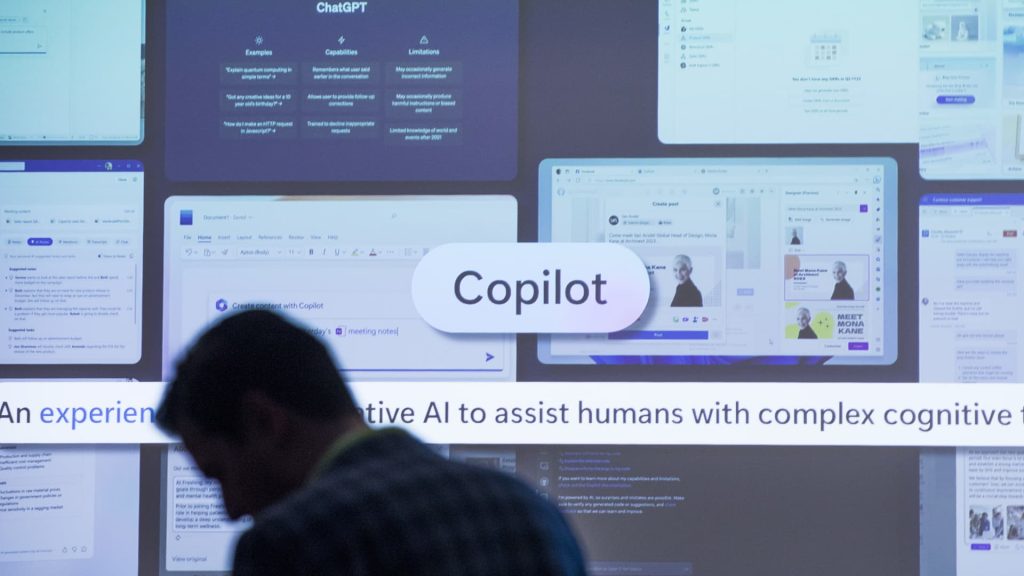
The corporate world is experiencing an unprecedented shift as major enterprises implement comprehensive monitoring systems to track artificial intelligence usage among their workforce. While companies pour billions into AI technologies, they’re simultaneously creating detailed surveillance networks that monitor every digital interaction employees have with these systems.
What concerns me most about this trend is how it reveals a fundamental misunderstanding of productivity measurement. According to recent research involving 100 senior AI enterprise leaders, over two-thirds of organizations still rely on speculative metrics rather than concrete financial outcomes to justify their AI investments. This approach strikes me as deeply flawed – companies are essentially flying blind while spending enormous sums on technology they can’t properly evaluate.
The tracking mechanisms being deployed are remarkably sophisticated. Every interaction with AI systems generates what the industry calls ‘tokens’ – measurable units that companies use to monitor and charge for AI usage. This creates a granular view of employee behavior that would have been unimaginable just a few years ago. I believe this level of monitoring represents a significant shift in workplace dynamics that many employees don’t fully understand.
For technology professionals and knowledge workers, this development should be particularly concerning. The emergence of what industry insiders call ‘tokenmaxxing’ – where employees artificially inflate their AI usage to appear more productive – demonstrates how surveillance can corrupt genuine performance measurement. This behavior benefits no one: it wastes company resources while creating artificial pressure on workers to game the system rather than focus on actual results.
I think the most troubling aspect of this trend is how it transforms AI usage from a productivity tool into a performance metric. Companies are essentially treating AI interaction as a proxy for work output, which fundamentally misses the point. Quality of work and efficiency of AI usage matter far more than raw volume, yet current tracking systems struggle to distinguish between meaningful and superficial interactions.
The financial services and consulting sectors appear to be leading this monitoring revolution, with some organizations restructuring entire teams around AI usage patterns. While this might benefit companies seeking to optimize their AI investments, it creates significant implications for employee autonomy and workplace trust. The shift toward what some firms call ‘AI-native pods’ suggests we’re moving toward a future where human workers are increasingly managed alongside AI systems rather than simply using them as tools.
What’s particularly striking is how this monitoring extends beyond simple usage tracking. Some organizations are experimenting with comprehensive behavioral monitoring that captures mouse movements, keystrokes, and navigation patterns. While companies claim this data serves to improve AI models rather than evaluate individual performance, I find this distinction somewhat meaningless in practice – the surveillance infrastructure remains the same regardless of stated intent.
For employees in creative fields, consulting, or strategic roles, this trend should be especially concerning. The risk is that AI usage becomes a mandatory performance indicator rather than an optional productivity enhancer. Workers who prefer traditional methods or who use AI more selectively may find themselves disadvantaged in performance evaluations, regardless of their actual output quality.
The broader implications extend to organizational culture and employee trust. When companies implement such comprehensive monitoring systems, they’re essentially declaring that they don’t trust employees to use tools effectively without surveillance. This approach may benefit organizations with highly standardized, measurable workflows, but it’s likely to be counterproductive in environments requiring creativity, critical thinking, or complex problem-solving.
I believe the most successful companies will be those that focus on outcomes rather than activity metrics. The current obsession with tracking AI usage reflects a fundamental confusion about what productivity means in knowledge work. Smart organizations should measure results – improved customer satisfaction, faster project completion, higher quality outputs – rather than counting digital interactions.
For individual workers, the key is understanding that this monitoring is happening and adapting accordingly. Rather than trying to game token usage metrics, employees should focus on demonstrating clear value through their work outputs. Document successes, measure improvements in your own productivity, and be prepared to articulate how AI tools contribute to better results rather than just increased activity.
The reality is that we’re witnessing the emergence of a new form of workplace surveillance disguised as productivity optimization. While some monitoring may be necessary for cost management and security purposes, the current trend toward comprehensive behavioral tracking represents a significant overreach that’s likely to harm rather than help organizational performance in the long term.