
Major Educational AI Study Withdrawn After Serious Methodological Flaws Discovered
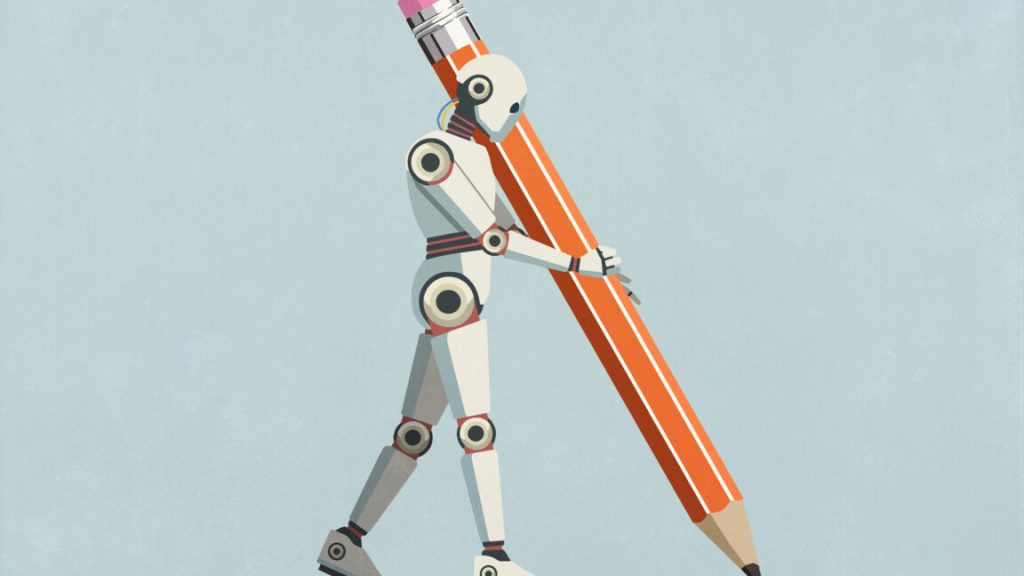
The academic world has been shaken by the retraction of a widely-cited research paper that claimed artificial intelligence chatbots significantly enhance student learning outcomes. The study, which garnered massive attention and hundreds of citations, has been pulled from publication due to fundamental flaws in its methodology and analysis.
This development is particularly concerning because it highlights a troubling trend in AI education research. In my view, the rush to publish positive findings about AI in classrooms has created an environment where rigorous scientific standards are being compromised. The retracted study attempted to synthesize results from 51 different research projects to demonstrate AI’s educational benefits, but experts have identified serious problems with this approach.
The Problem with Meta-Analysis in Emerging Technologies
What makes this retraction especially problematic is the study’s methodology. The researchers conducted what’s called a meta-analysis, combining data from multiple studies to draw broader conclusions. However, critics argue that many of the underlying studies were of poor quality or used incompatible methodologies that couldn’t be meaningfully compared.
I believe this represents a fundamental misunderstanding of how scientific research should work, particularly with emerging technologies. When you’re dealing with AI tools that have only existed for a couple of years, there simply isn’t enough high-quality, peer-reviewed research to support sweeping conclusions. The timeline alone should have been a red flag – attempting to synthesize dozens of studies about technology that was only released in late 2022 seems premature at best.
This kind of flawed research is particularly harmful for educators who are desperately seeking evidence-based guidance on AI integration. Teachers and administrators need reliable information to make informed decisions about classroom technology, not premature conclusions based on questionable data.
The Viral Spread of Misinformation
Perhaps most troubling is how quickly this flawed research spread through academic and social media channels. The study received over 500 citations and attracted nearly half a million readers, ranking in the 99th percentile for online attention among academic papers. This demonstrates how hungry the education community is for definitive answers about AI’s role in learning.
The problem with viral academic content is that nuanced methodological concerns get stripped away as the research spreads. What remains are bold headlines claiming AI improves learning outcomes – exactly the kind of oversimplified message that can mislead educators and policymakers.
In my opinion, this situation reveals a broader crisis in how we consume and share academic research in the digital age. The pressure to find quick solutions to complex educational challenges has created an environment where flashy findings get amplified regardless of their scientific merit.
Who This Impacts Most
This retraction is most relevant for educators, administrators, and policymakers who have been grappling with AI integration in educational settings. These stakeholders desperately need reliable research to guide their decisions, but this incident shows how easily they can be misled by premature or flawed studies.
For researchers in educational technology, this serves as a cautionary tale about the importance of maintaining rigorous standards even when there’s pressure to publish positive findings about trendy technologies. The academic community needs to resist the temptation to rush research into print without proper validation.
Students and parents, while not directly involved in research consumption, are ultimately the ones who suffer when educational policies are based on flawed evidence. They deserve better than decisions made on the basis of scientifically unsound studies.
The Broader Implications for AI in Education
This retraction comes at a critical time when educators are struggling to adapt to AI-enabled tools in their classrooms. Many teachers have expressed frustration with how these technologies have shifted student attitudes away from genuine learning toward shortcut-seeking behavior. Meanwhile, technology companies continue aggressively marketing AI tools as educational solutions.
What we really need is patient, methodical research that examines AI’s actual impact on learning over time. This means conducting longitudinal studies, using proper control groups, and allowing enough time for meaningful data collection. Quick meta-analyses of hastily conducted studies simply won’t provide the insights educators need.
I believe the education community would benefit more from honest acknowledgment of what we don’t yet know about AI’s educational impact, rather than premature claims of success. This would allow for more thoughtful integration of these tools and better preparation for their genuine benefits and drawbacks.
The retraction of this influential study should serve as a wake-up call for everyone involved in educational research and policy. We need higher standards for evidence, more patience with emerging technologies, and greater skepticism of findings that seem too good to be true. Only then can we make truly informed decisions about AI’s role in education.