
Fashion Film Sequel Marketing Blitz Transforms Everyday Items Into Designer Status Symbols
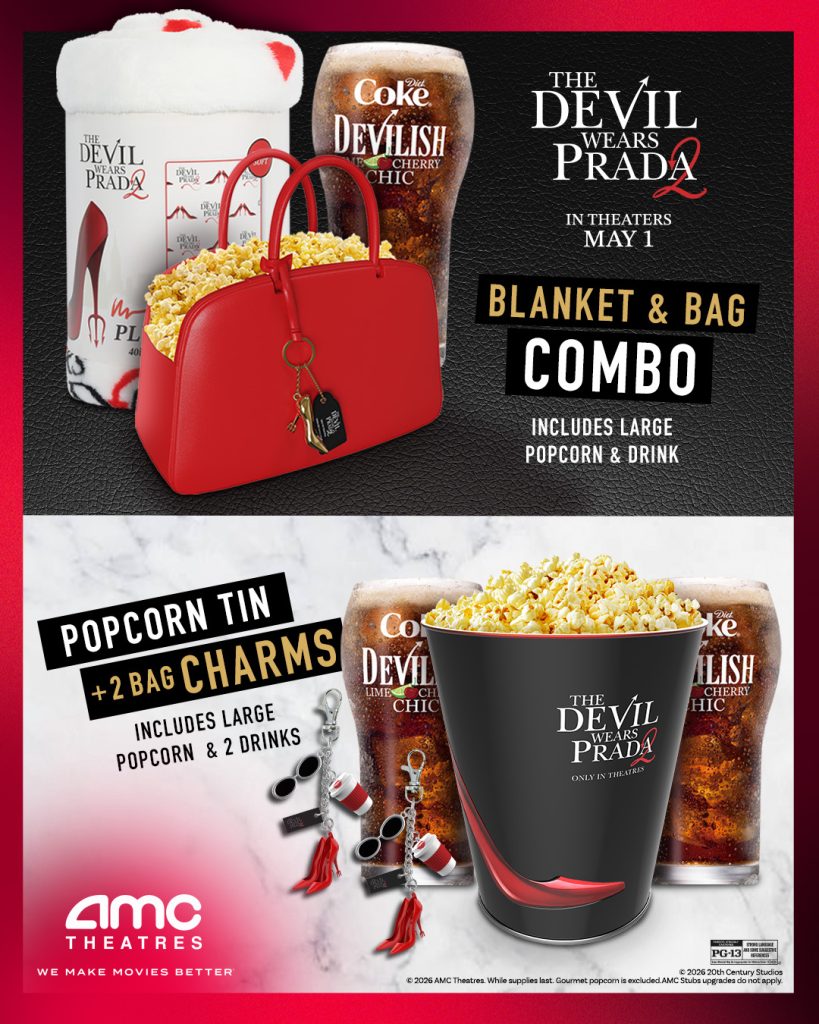
The entertainment industry’s latest marketing phenomenon demonstrates just how far studios will go to generate buzz around major film releases. What we’re witnessing with the upcoming fashion industry sequel is nothing short of a masterclass in brand elevation – though I’d argue it’s more style than substance.
Movie marketing has evolved into something that would make even the most seasoned advertising executives take notes. Studios are no longer content with traditional promotional campaigns; they’re creating entire lifestyle ecosystems around their properties. This particular sequel has managed to transform ordinary consumer products into coveted fashion statements, and frankly, it’s both impressive and slightly concerning.
The Psychology Behind Product Transformation
What fascinates me most about this marketing approach is how it taps into our collective desire for exclusivity. By partnering with everyday brands to create limited-edition items, the studio is essentially manufacturing scarcity around products we normally wouldn’t think twice about purchasing. It’s brilliant, but it also reveals something troubling about consumer behavior in the digital age.
The strategy works particularly well for this type of fashion-forward content because the target audience – primarily fashion enthusiasts and film buffs – are already predisposed to value aesthetics and exclusivity. These consumers don’t just want to watch a movie; they want to live within its universe, even if that means paying premium prices for repackaged ordinary goods.
Who Benefits From This Marketing Evolution
This approach is undeniably effective for several key groups. Film studios benefit from extended marketing reach and additional revenue streams that extend far beyond box office receipts. Brand partners gain association with high-profile entertainment properties, potentially reaching new demographics they might struggle to connect with through traditional advertising.
For consumers who genuinely appreciate the intersection of fashion and film, these collaborations offer a tangible way to express their enthusiasm. There’s real value in that emotional connection, even if the underlying products remain fundamentally unchanged.
The Concerning Implications
However, I find myself questioning whether this trend represents genuine innovation or simply sophisticated manipulation of consumer psychology. When we’re willing to pay inflated prices for products simply because they’re associated with entertainment properties, we’re participating in a form of manufactured desire that benefits corporations more than consumers.
The marketing blitz surrounding this sequel also highlights the increasing commercialization of cultural experiences. Movies used to be primarily about storytelling; now they’re launching pads for comprehensive lifestyle brands. While this isn’t inherently problematic, it does shift the focus away from artistic merit toward commercial potential.
Market Reality Check
From a business perspective, this strategy makes perfect sense. Entertainment properties with built-in audiences and strong brand recognition can command premium pricing across multiple product categories. The collaboration model allows companies to test market appetite for products without significant upfront investment in product development.
Yet I can’t help but think this approach works best for consumers who view shopping as entertainment rather than necessity. For practical shoppers focused on value and functionality, these marketing partnerships offer little beyond inflated prices and artificial scarcity.
The success of these campaigns ultimately depends on consumers’ willingness to pay for association rather than intrinsic value. While there’s nothing wrong with that choice, it’s worth recognizing what we’re actually purchasing – and whether the premium truly enhances our experience or simply our social media presence.